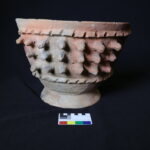
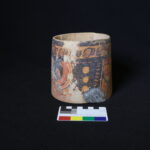
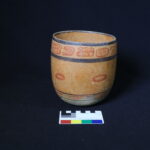
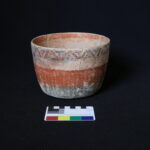
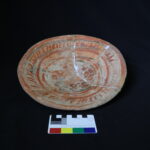
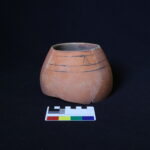
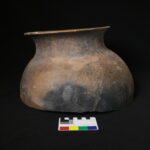
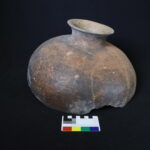
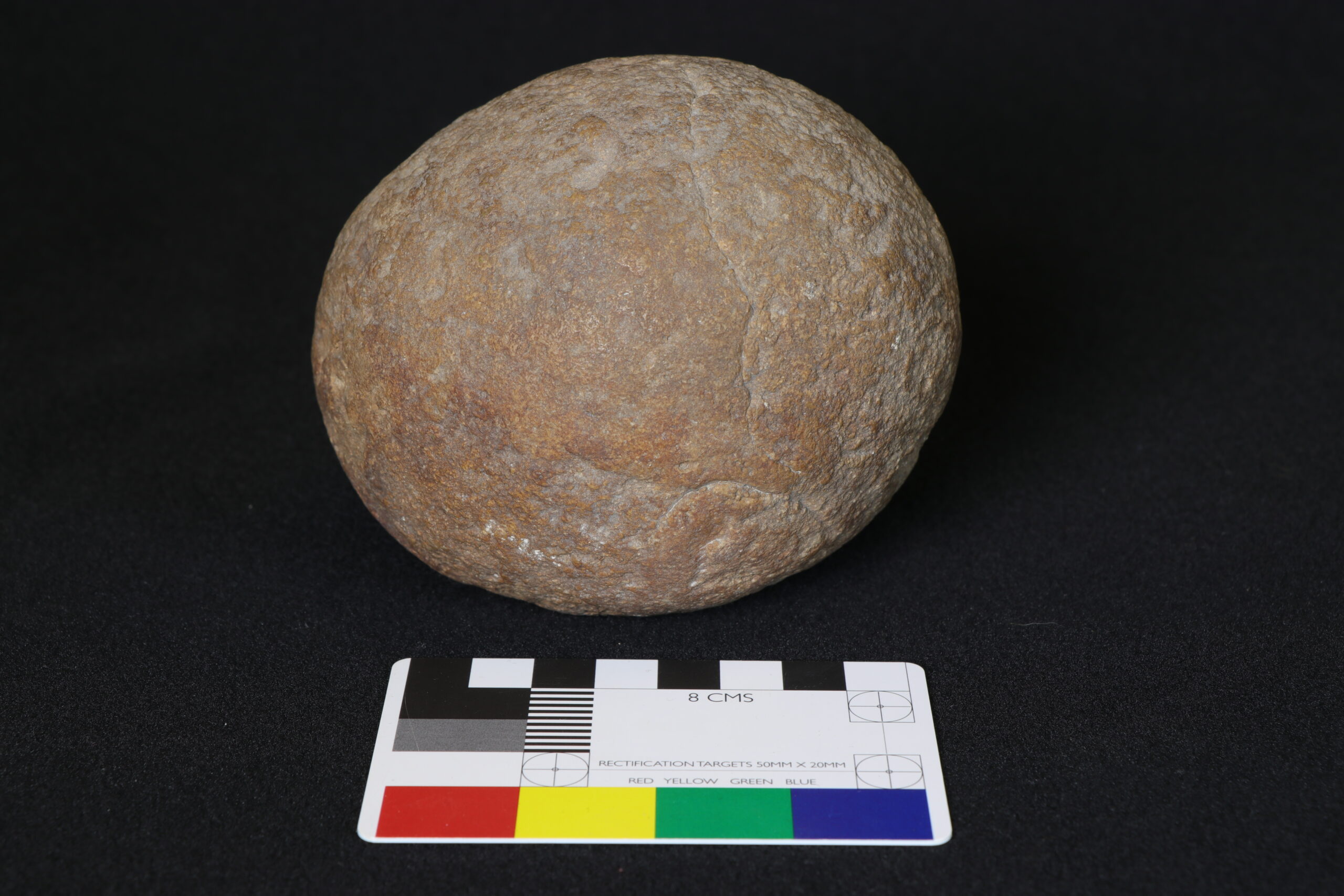
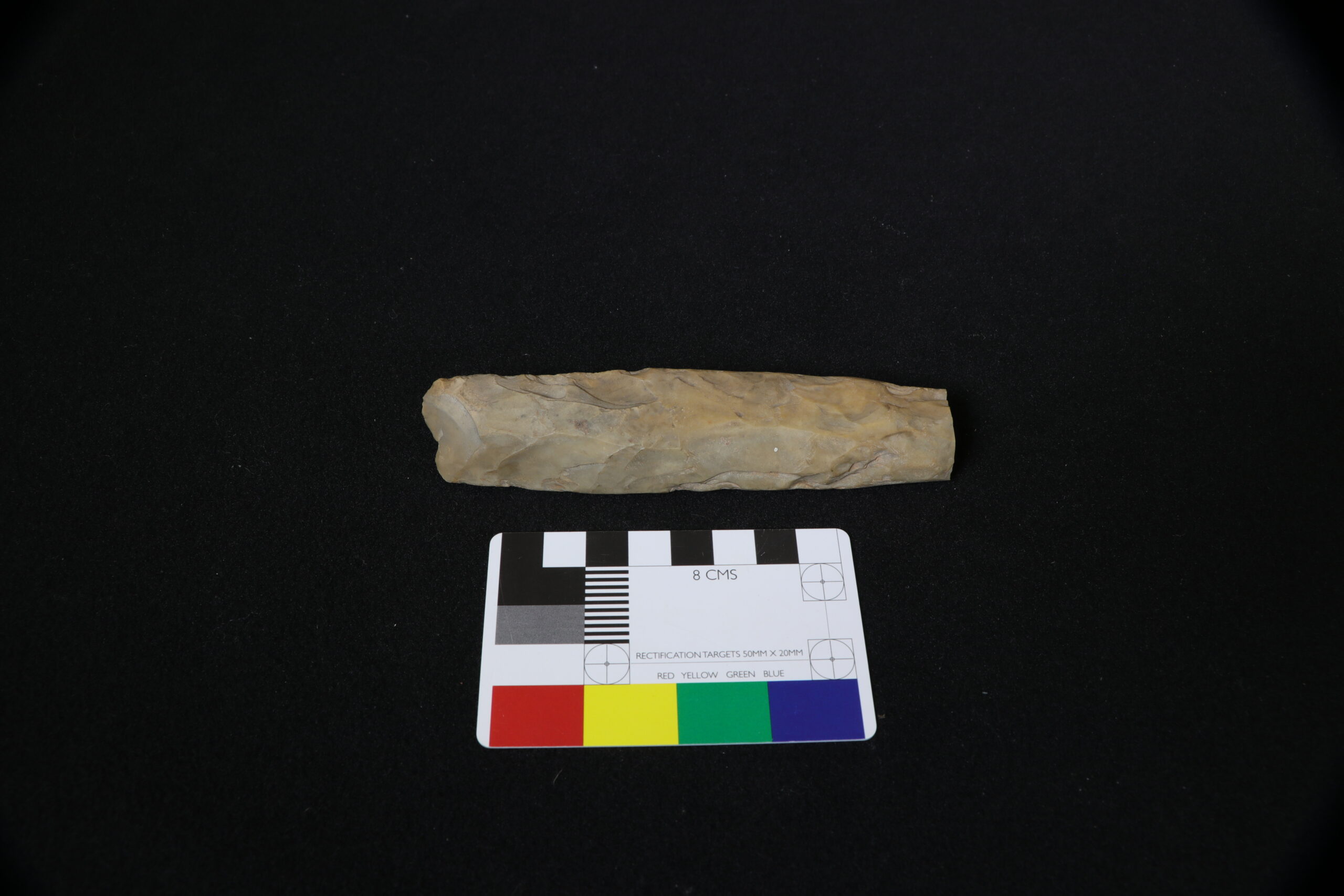
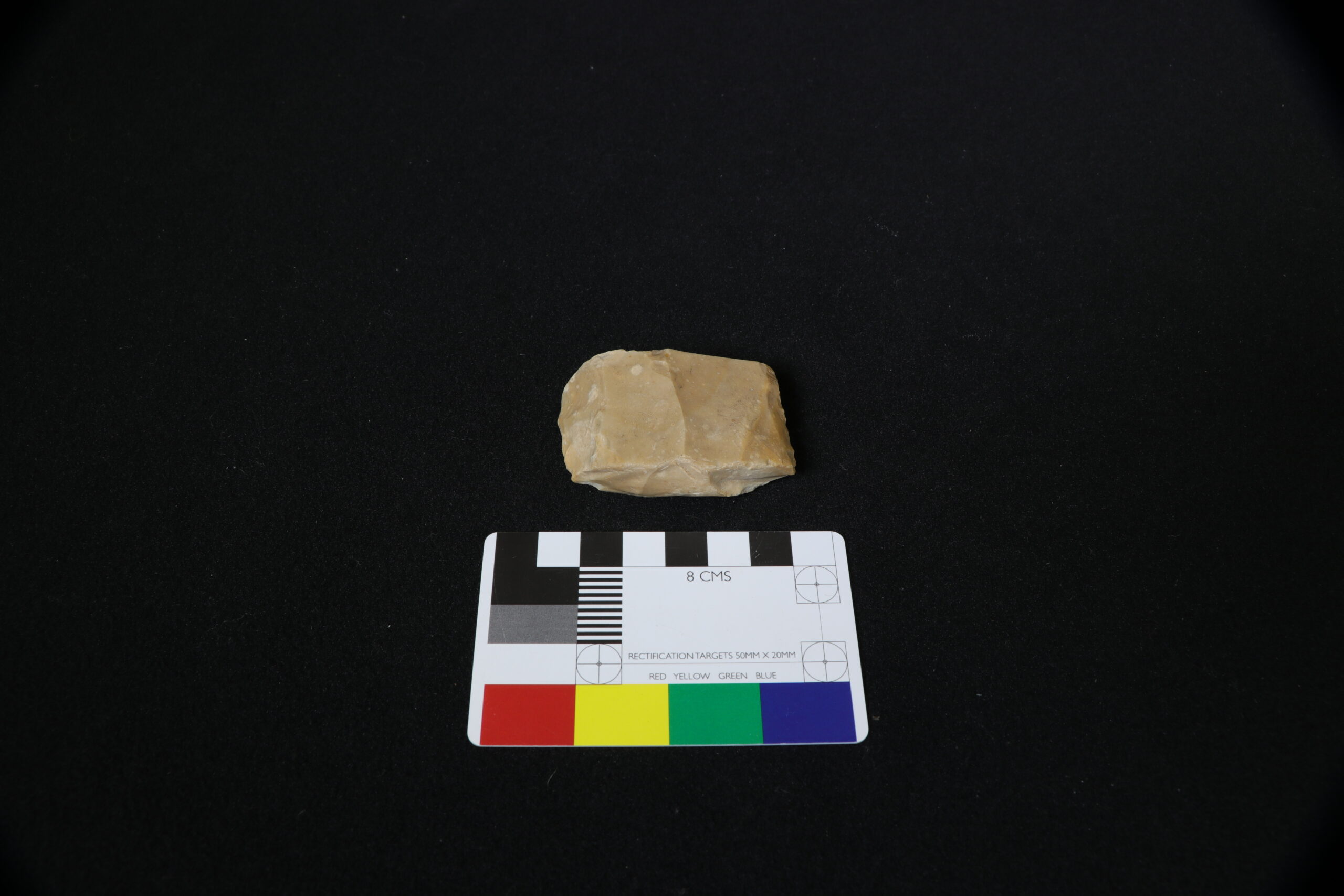
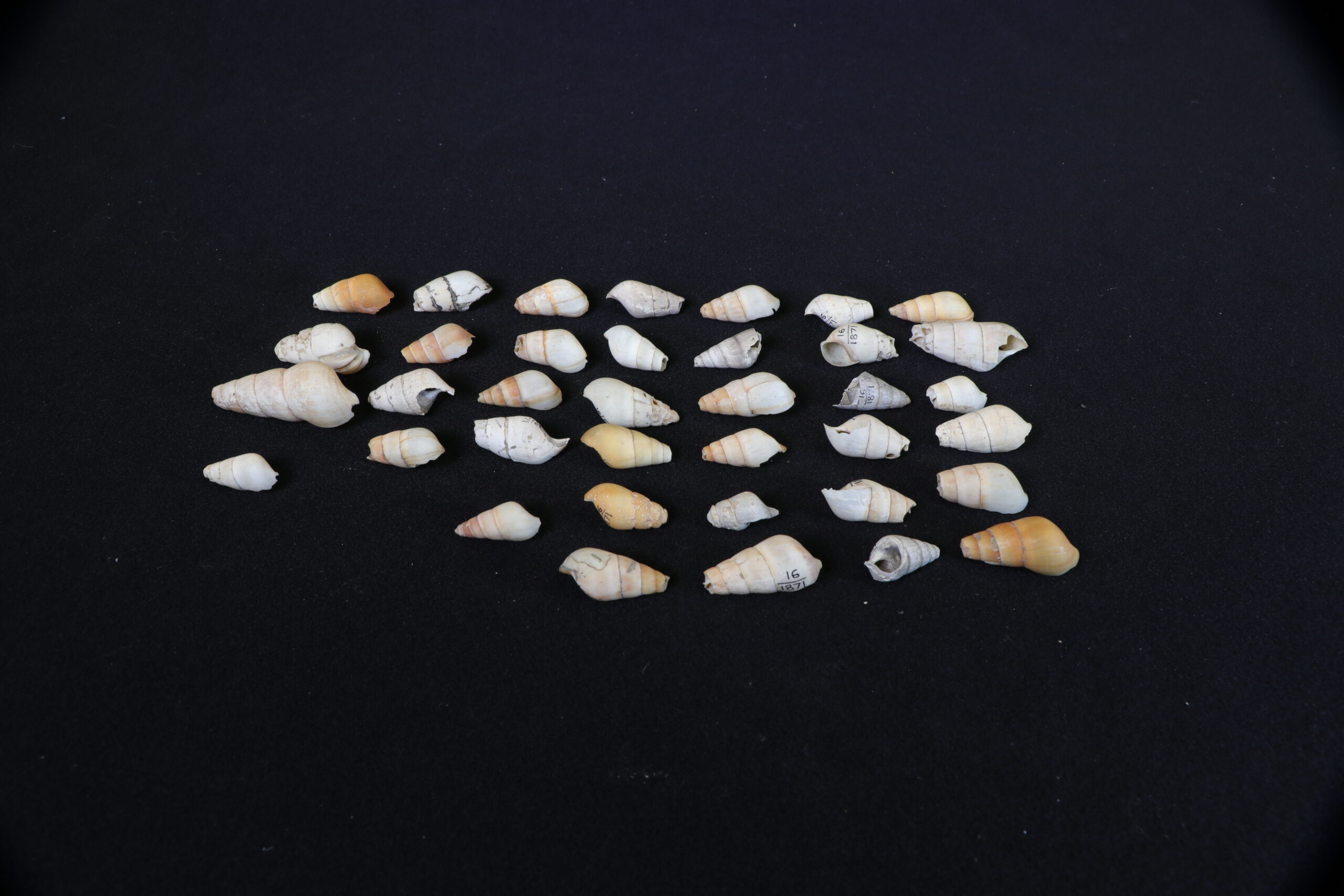
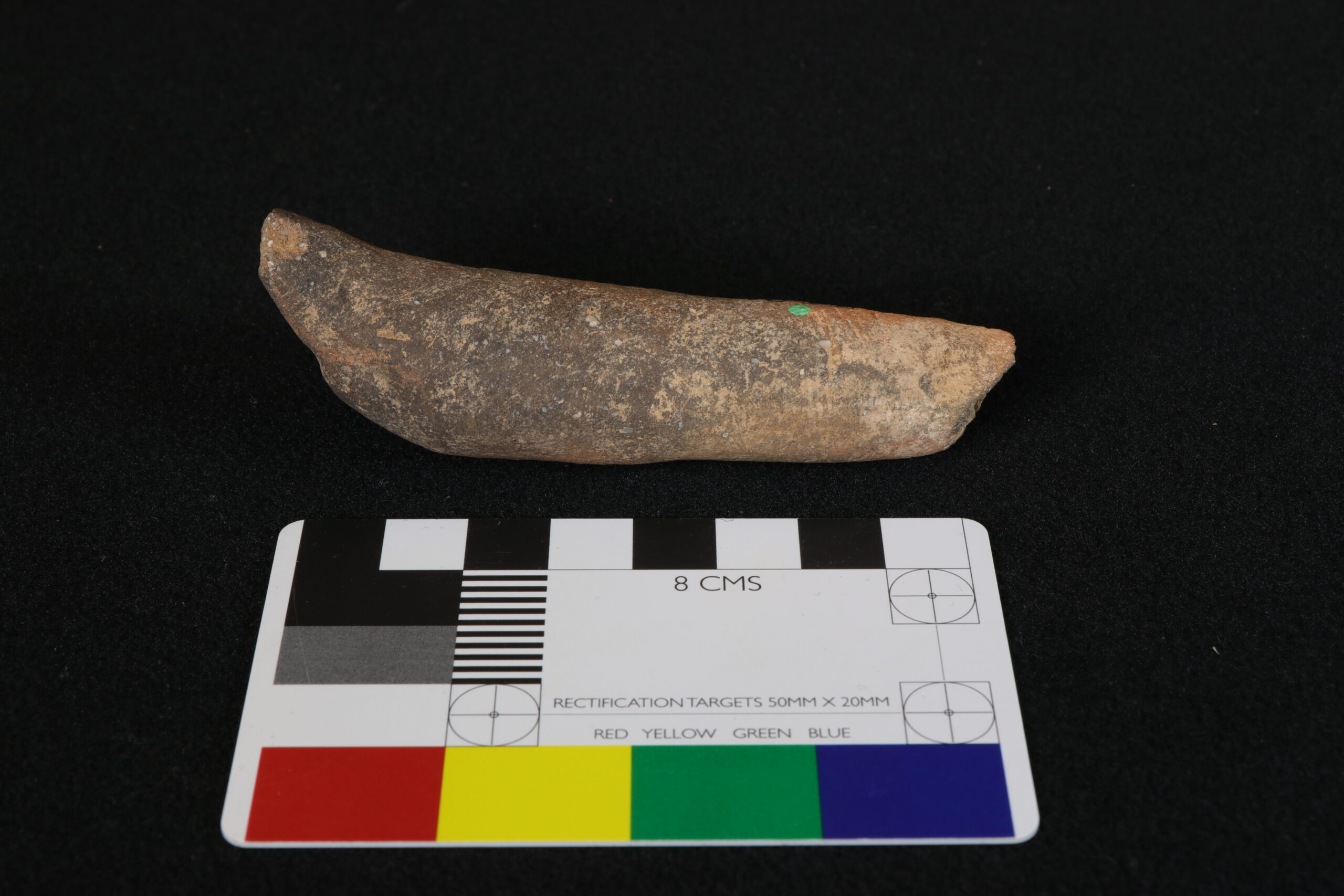
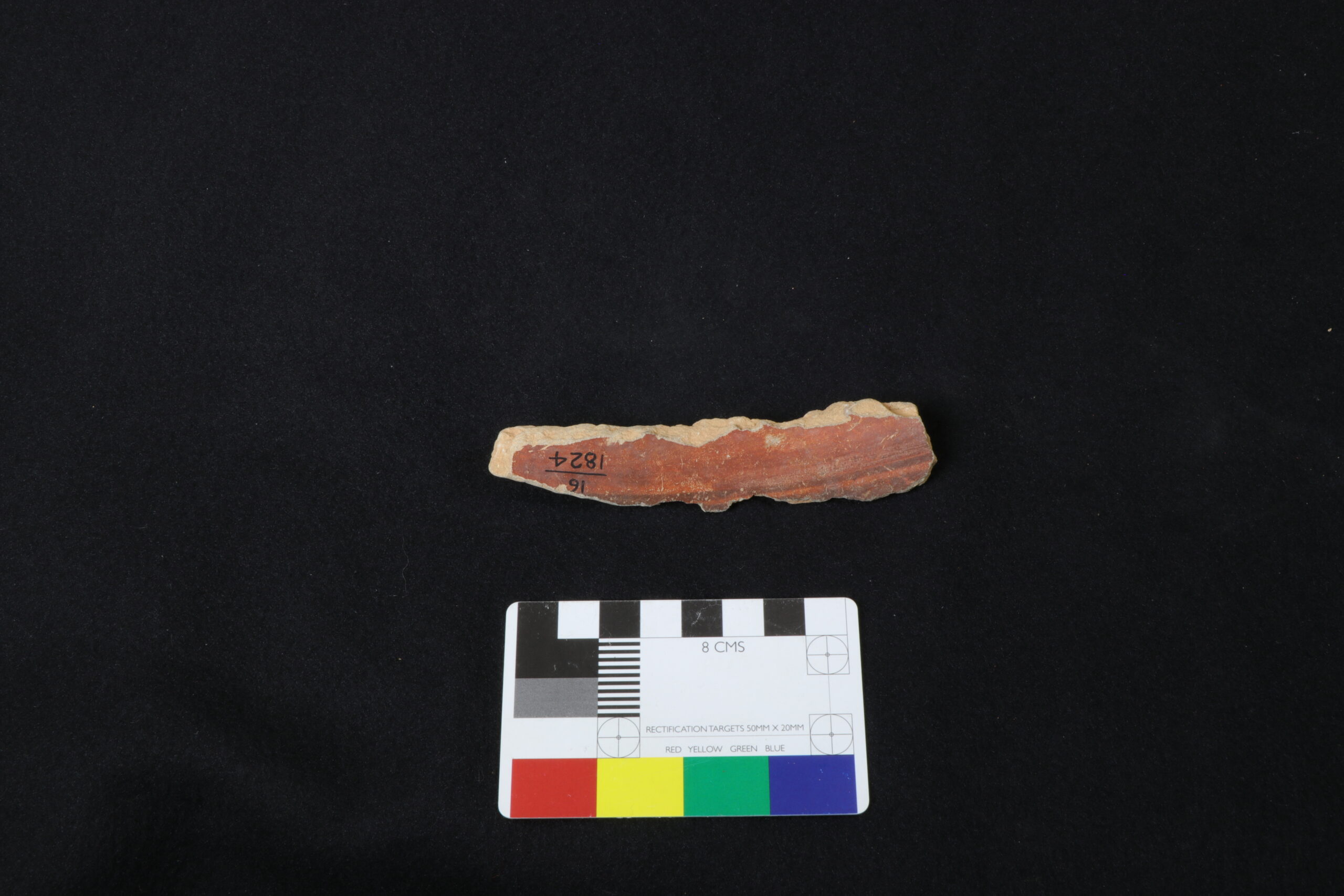
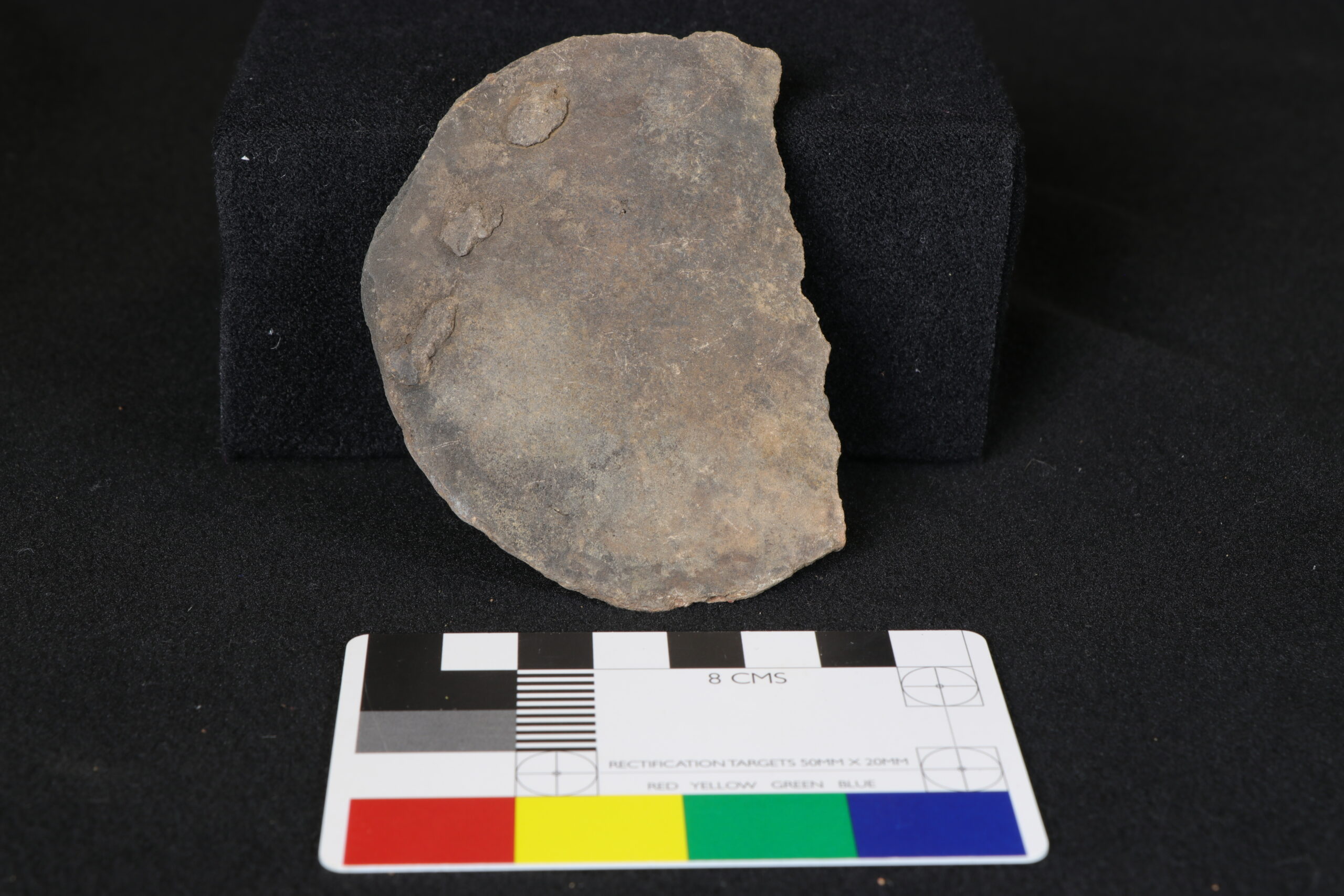
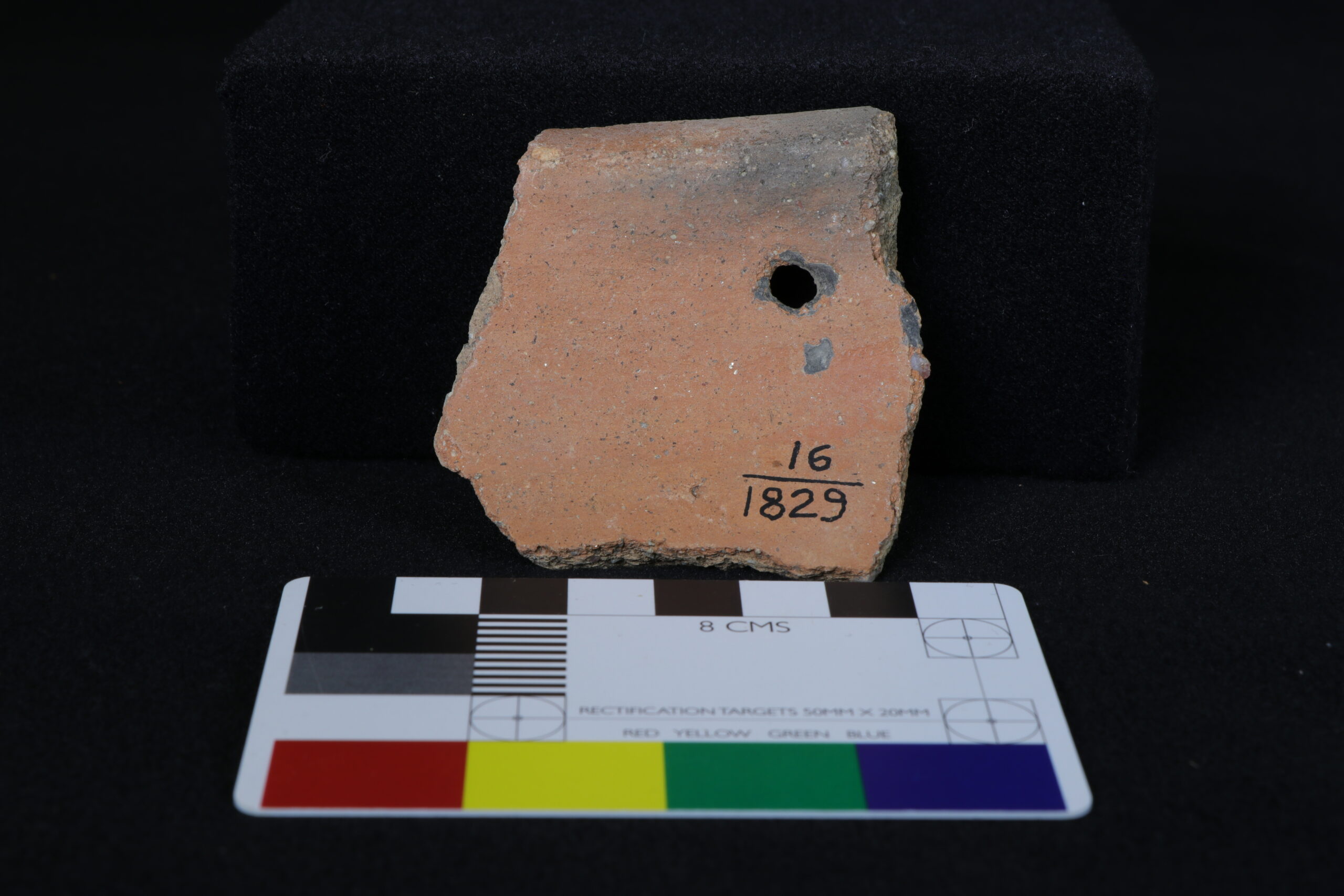
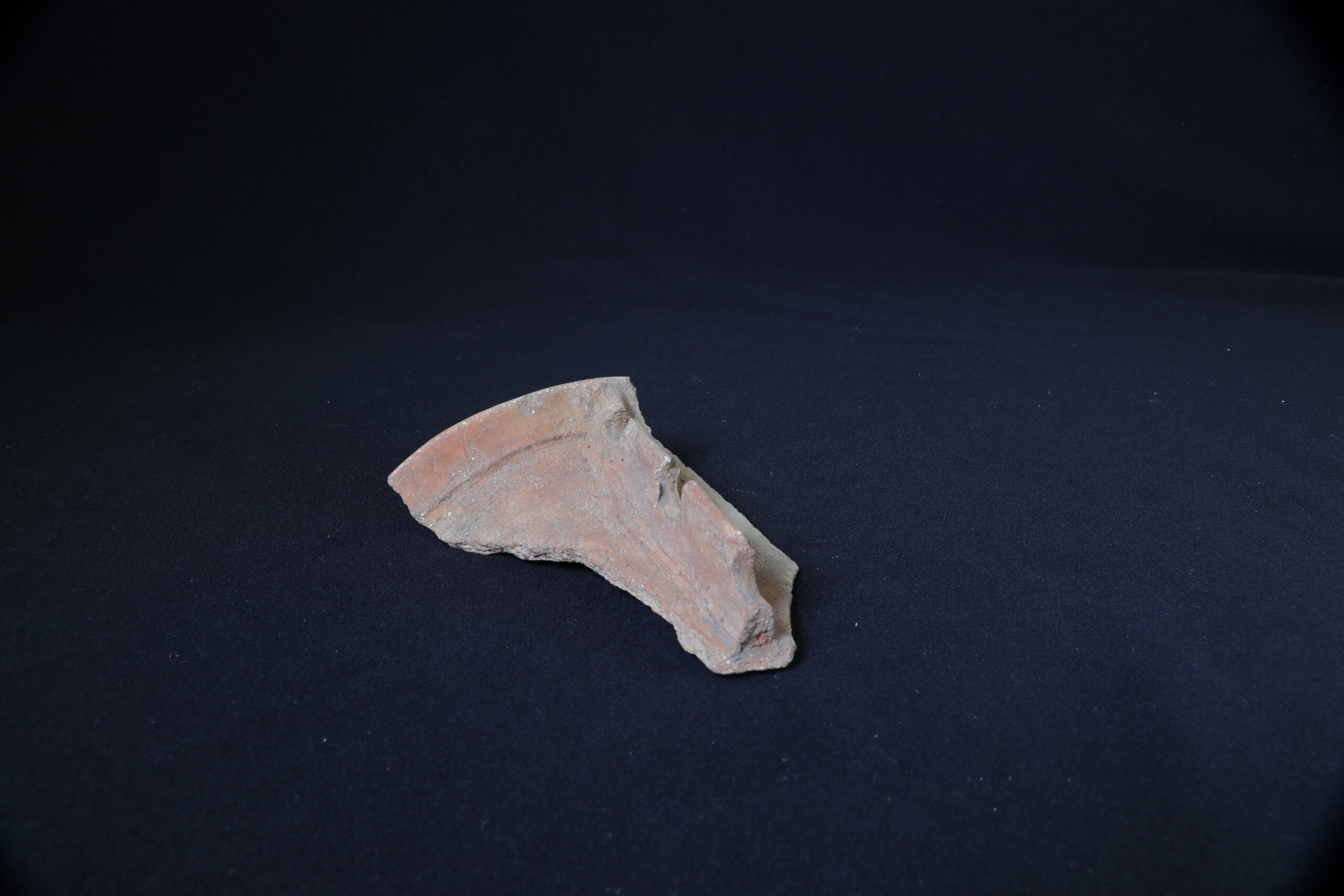
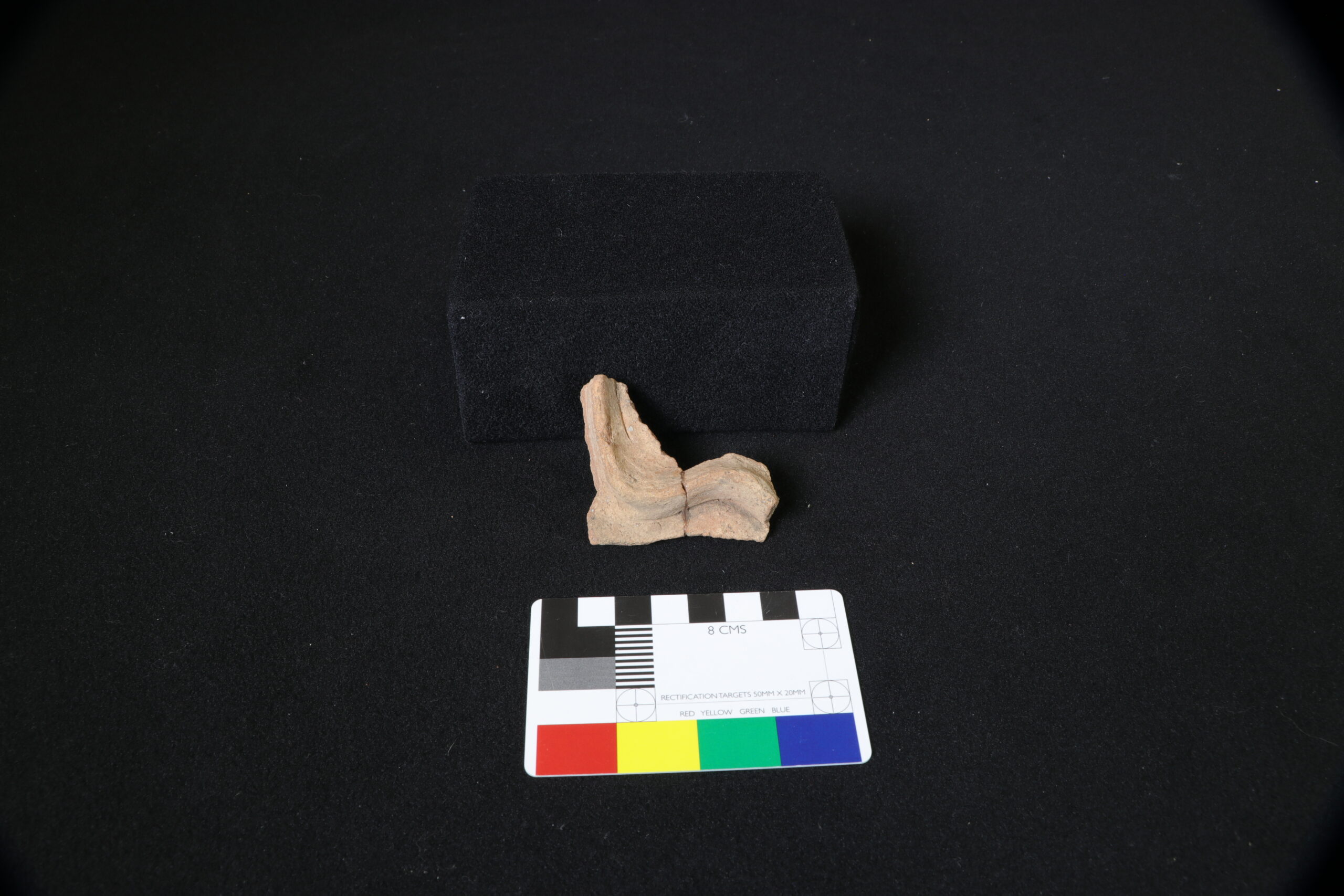
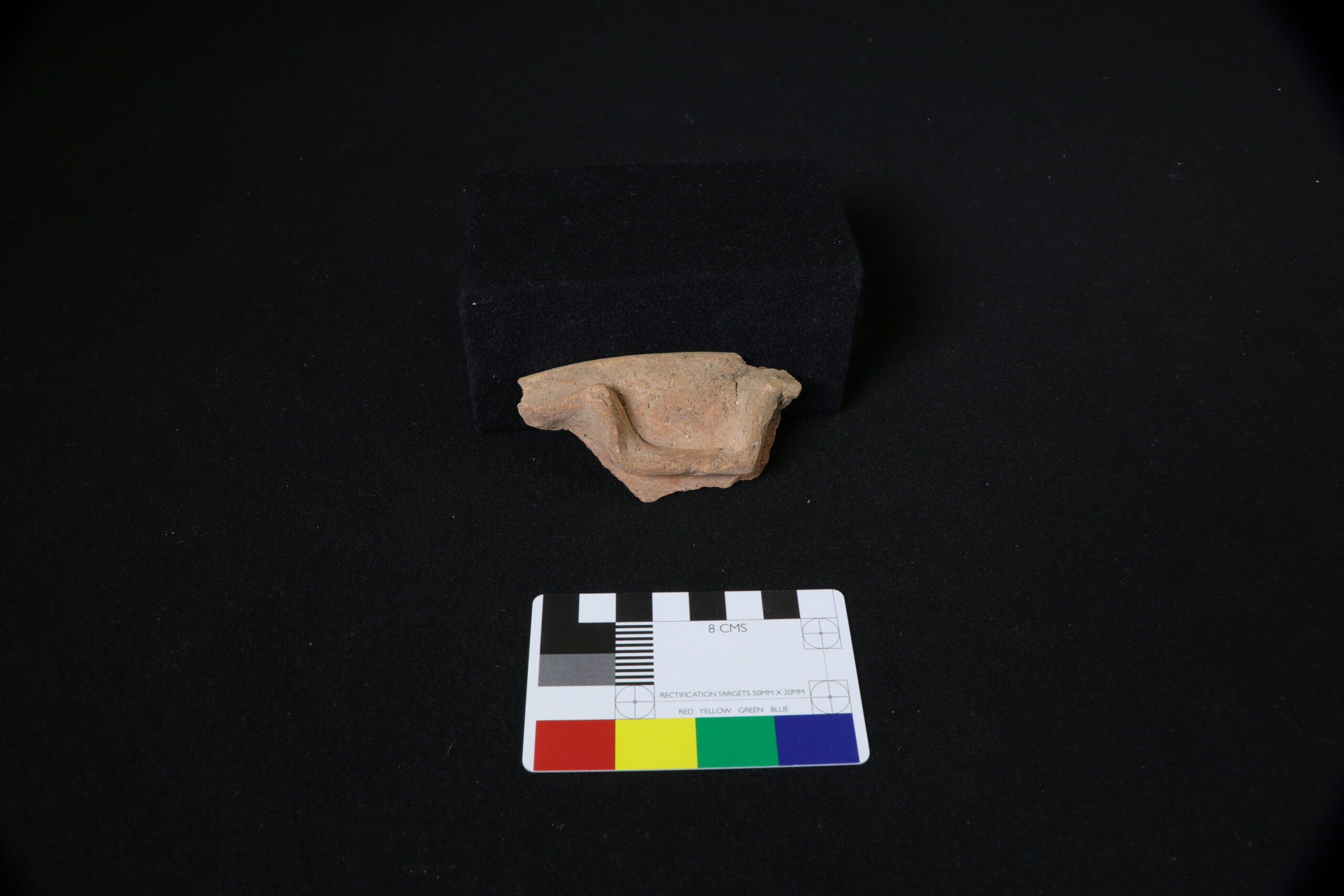
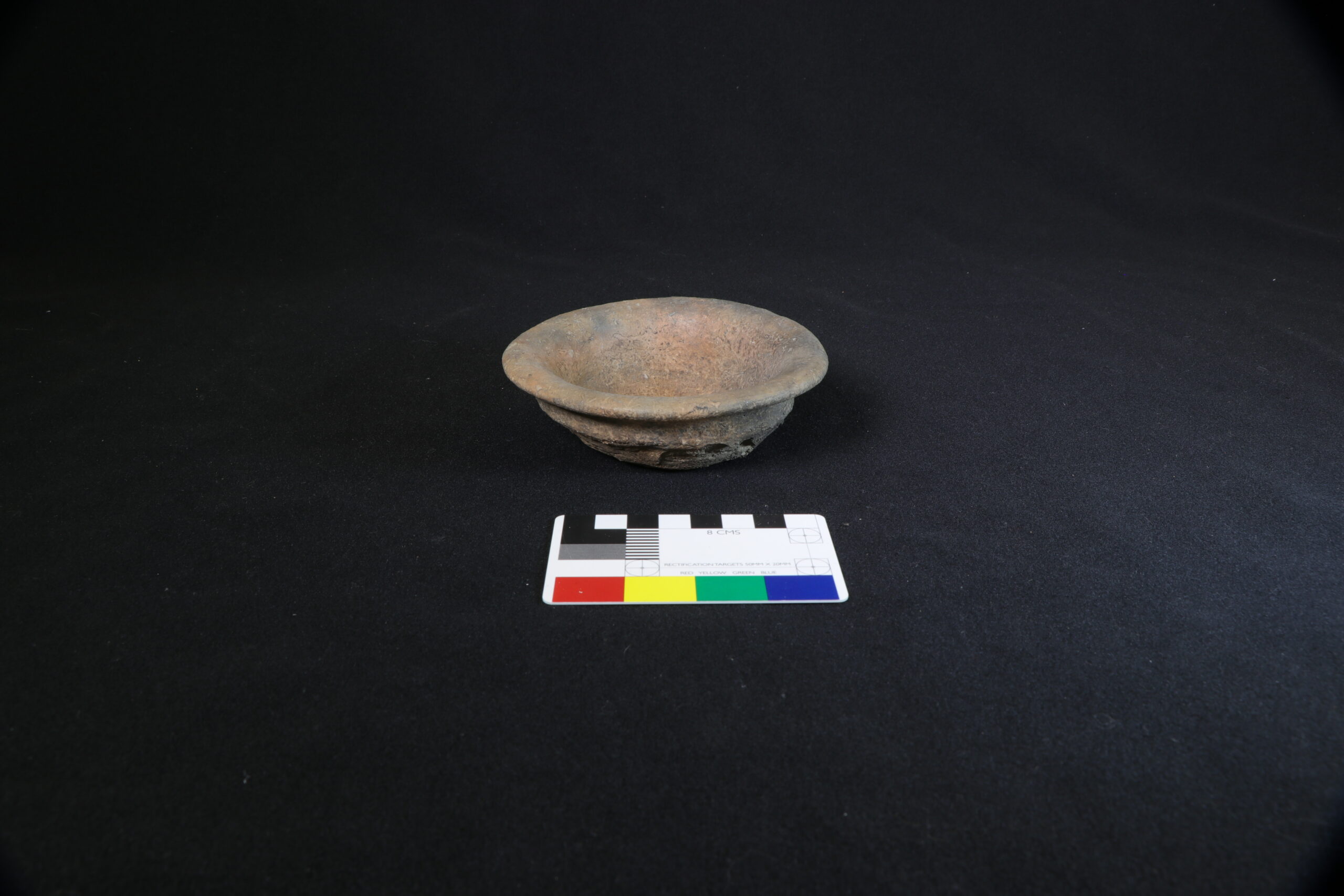
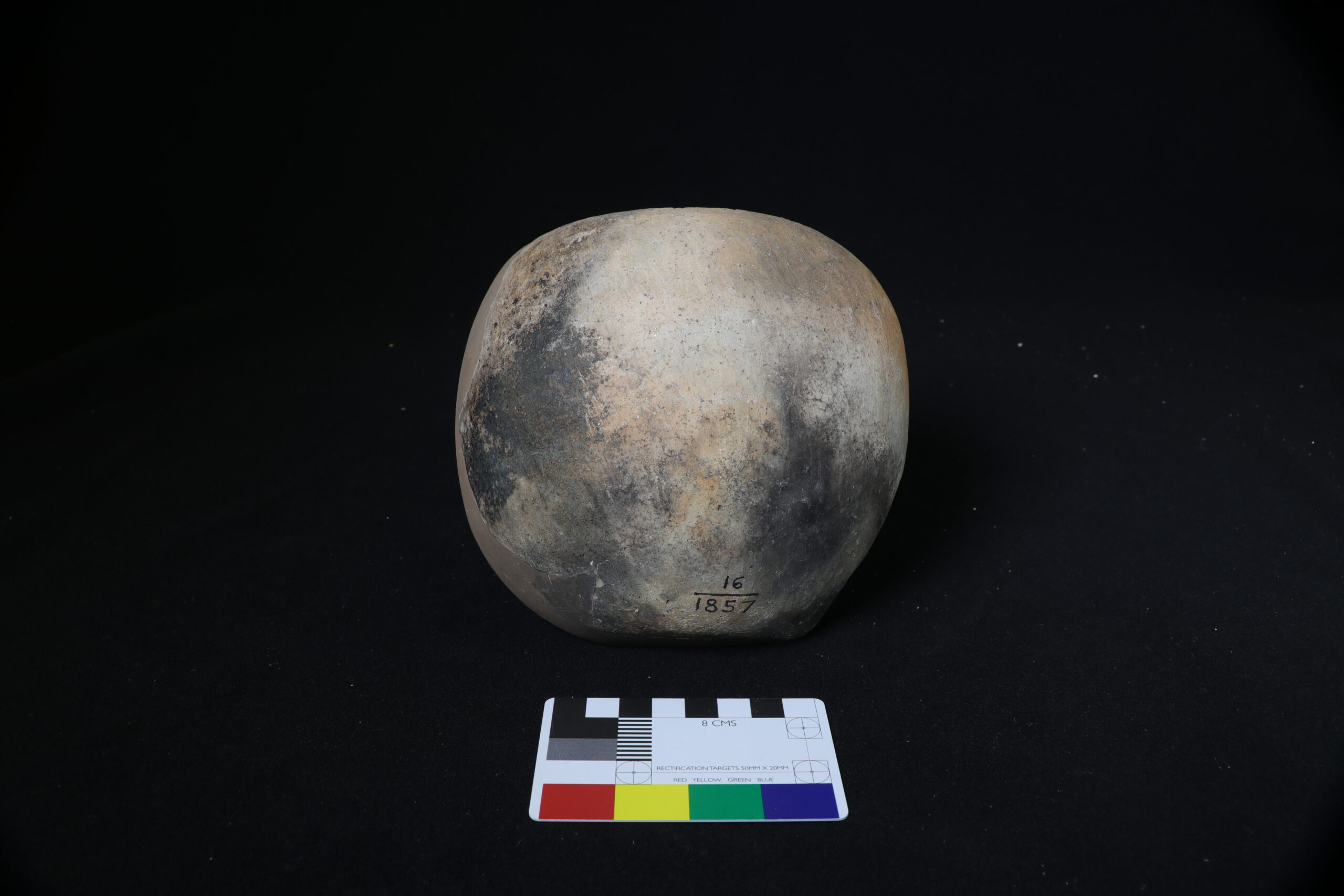
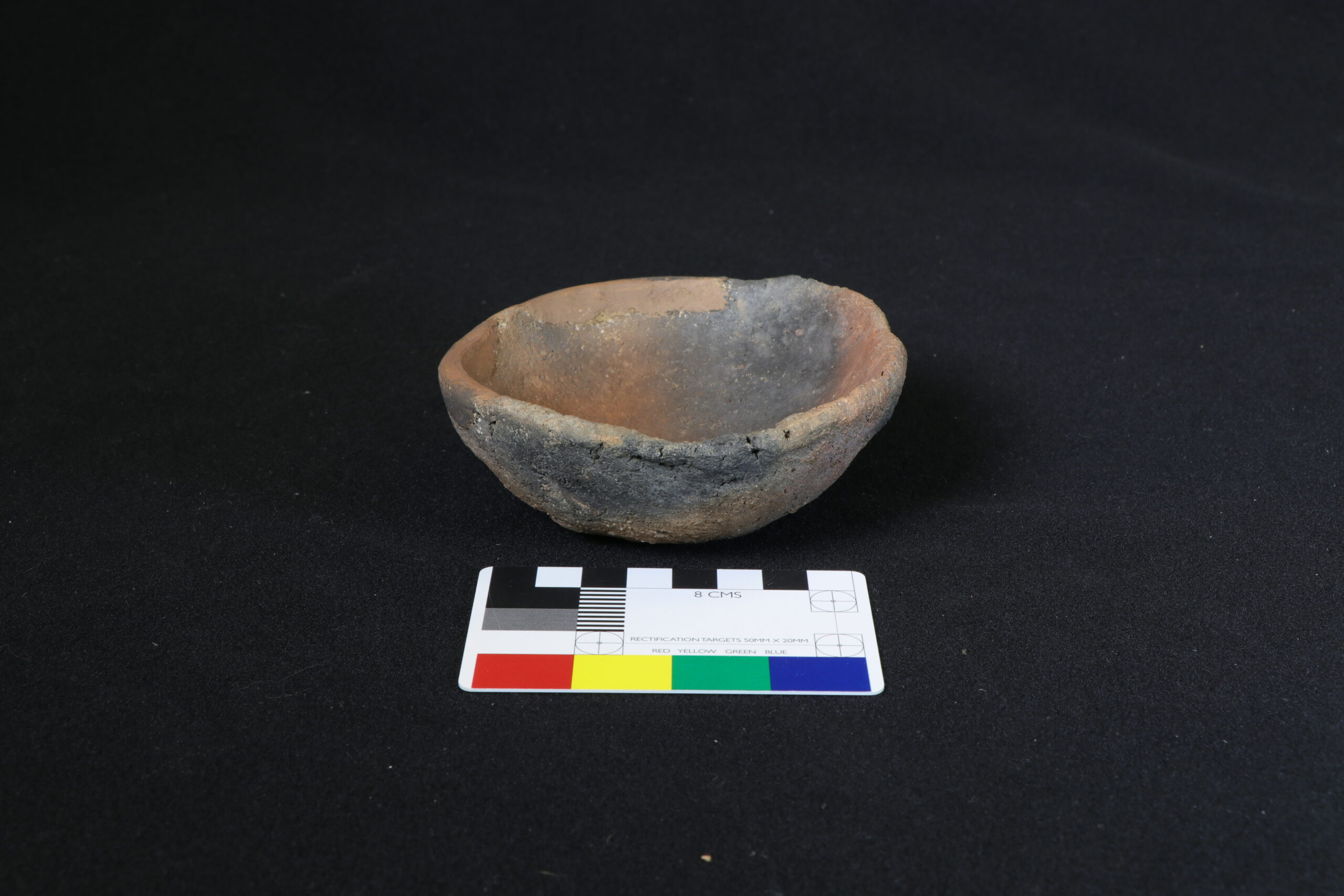
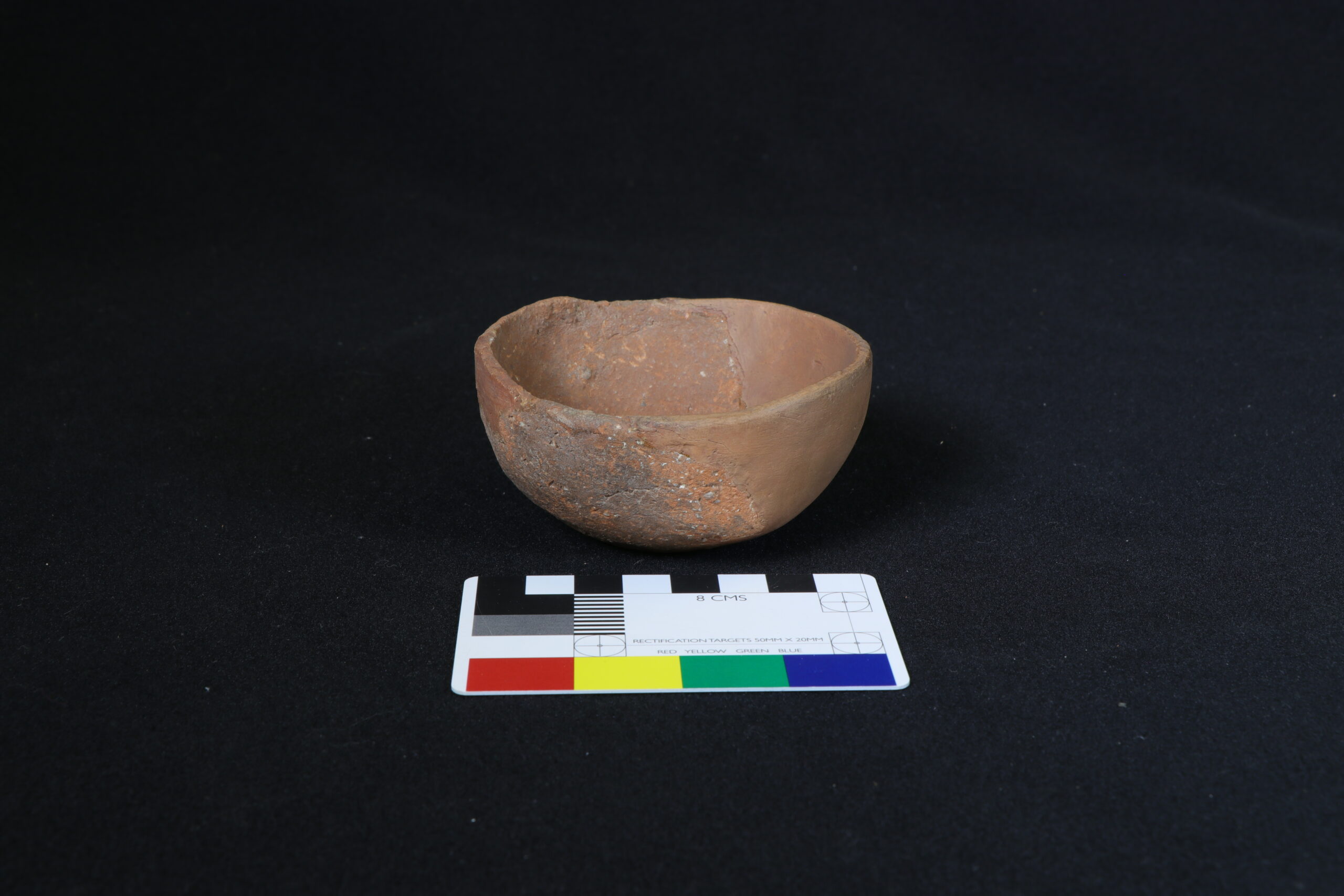
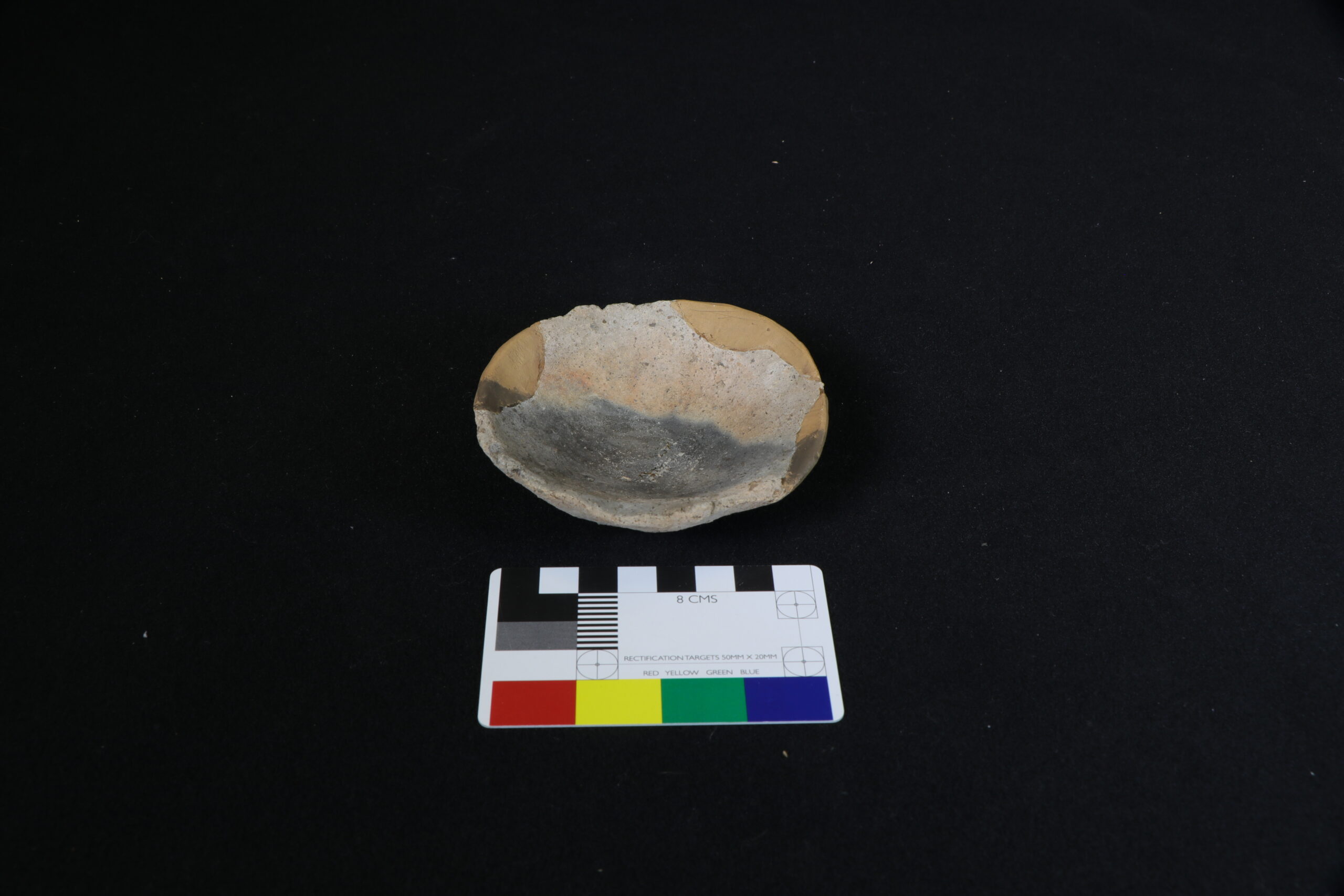
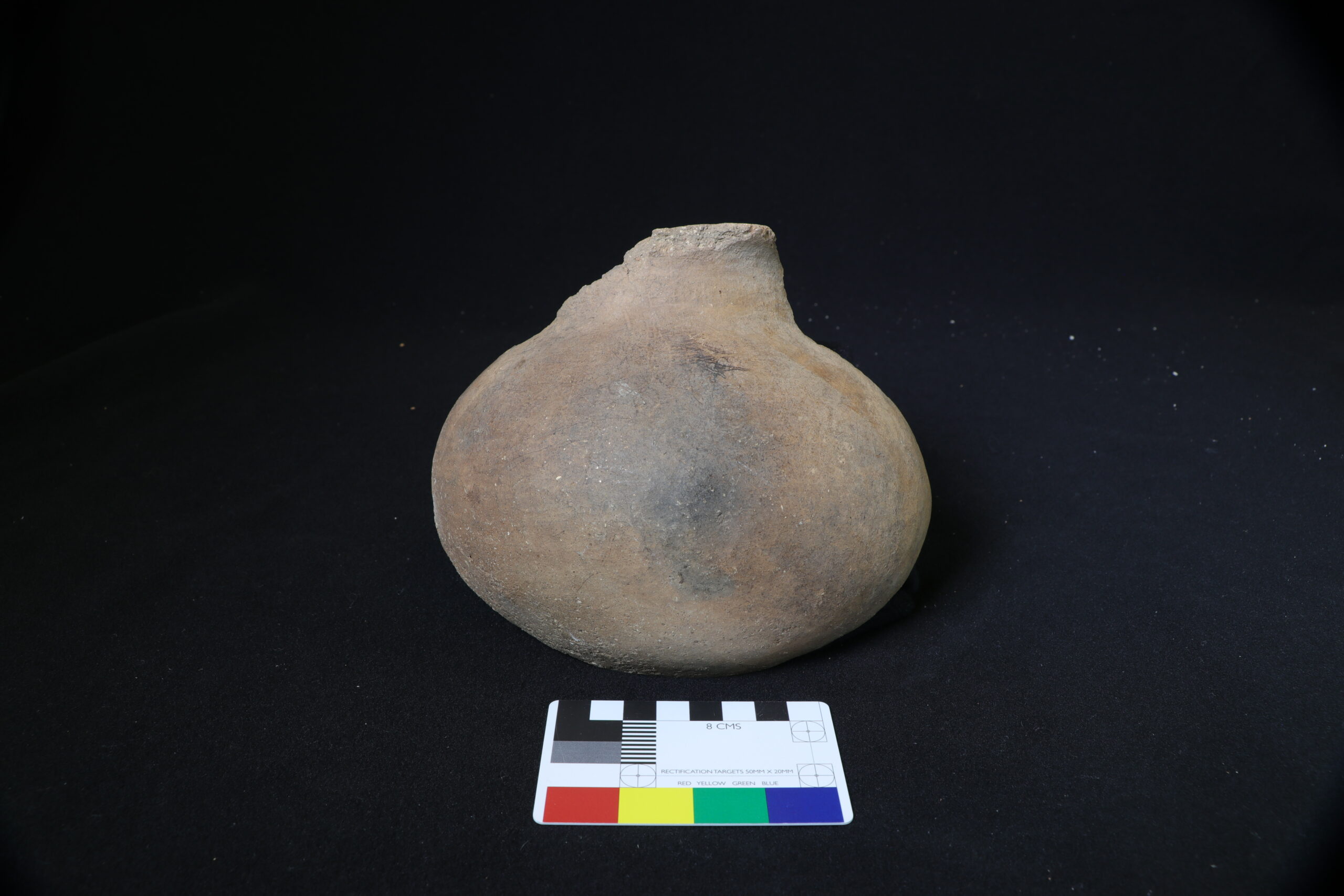
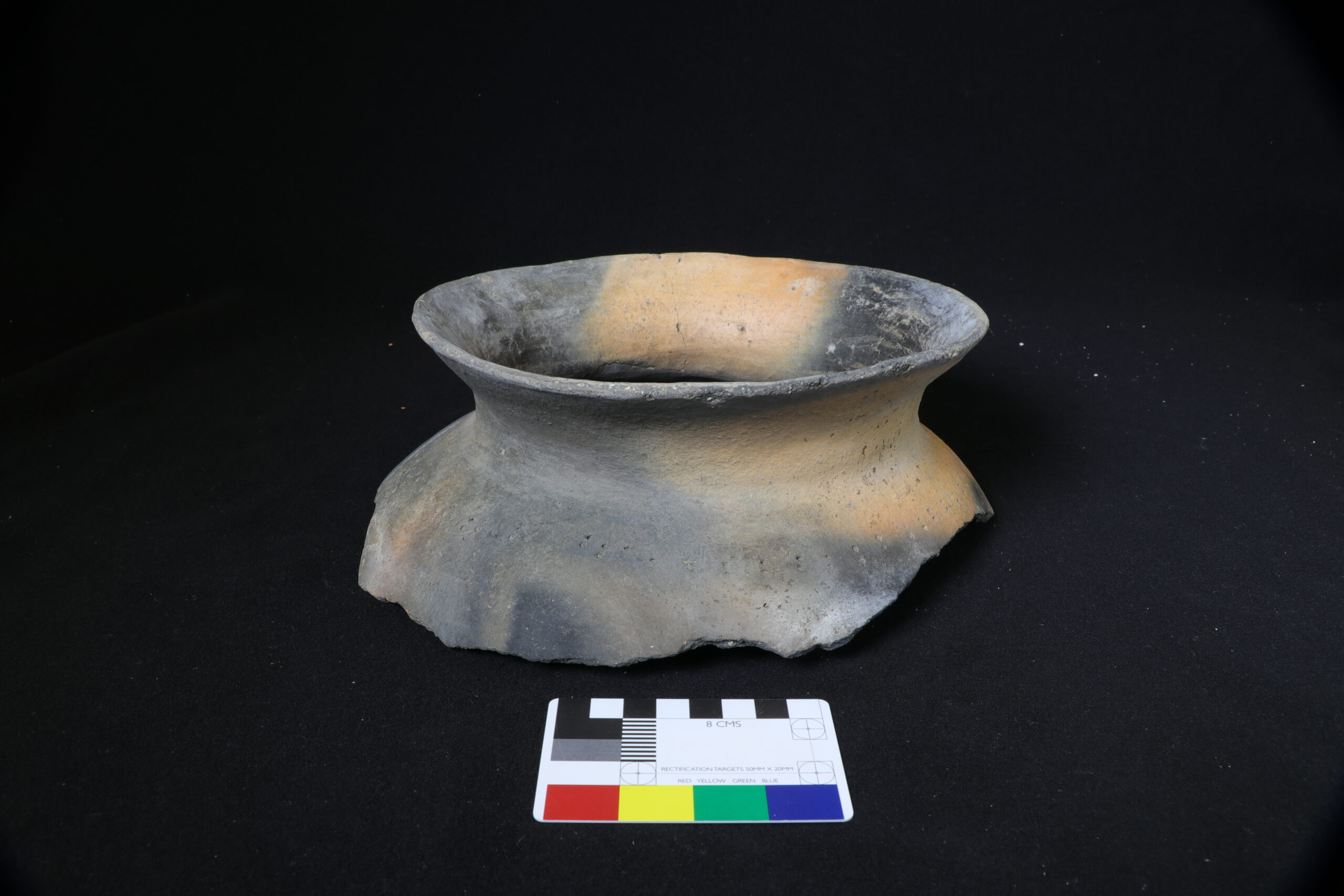
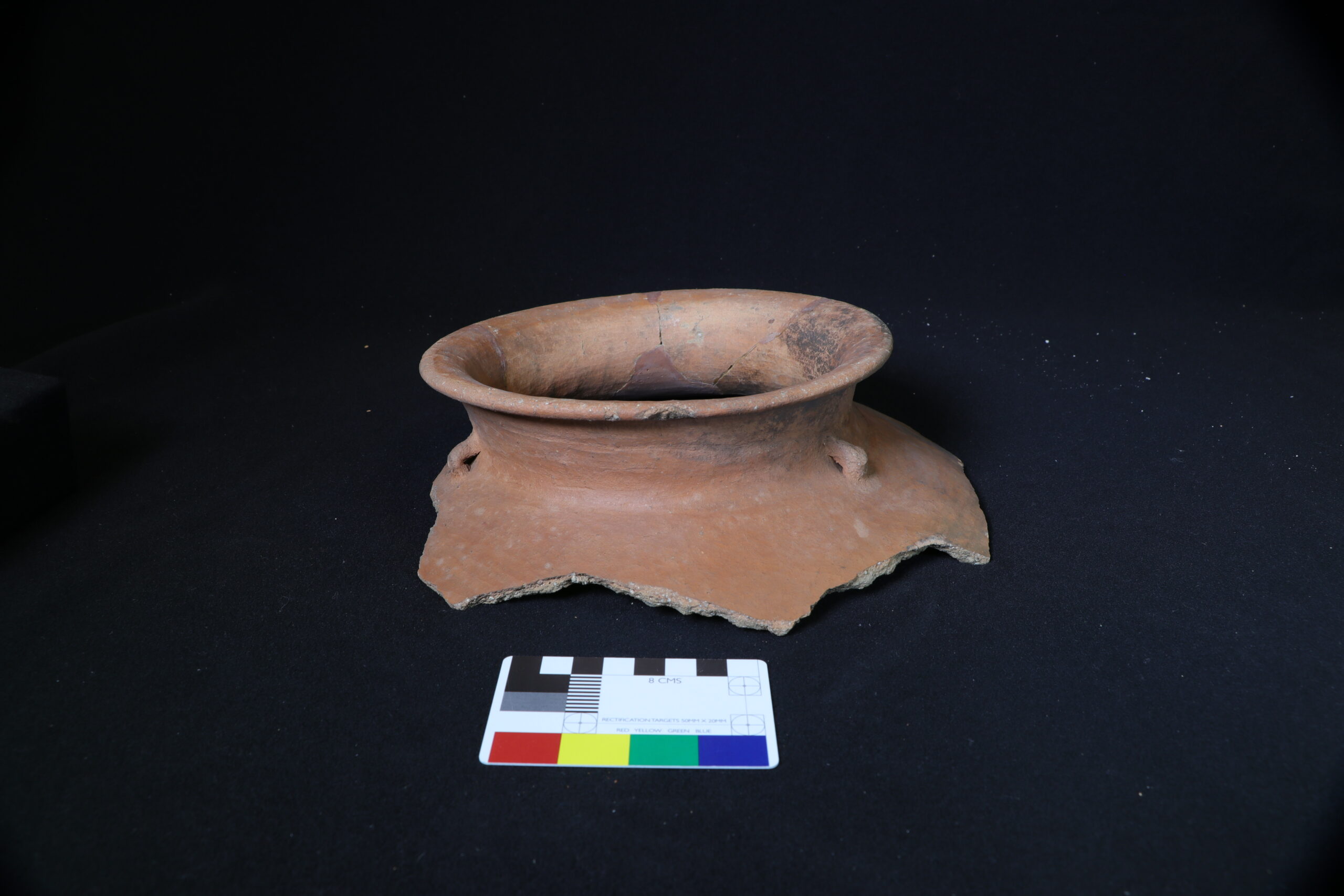
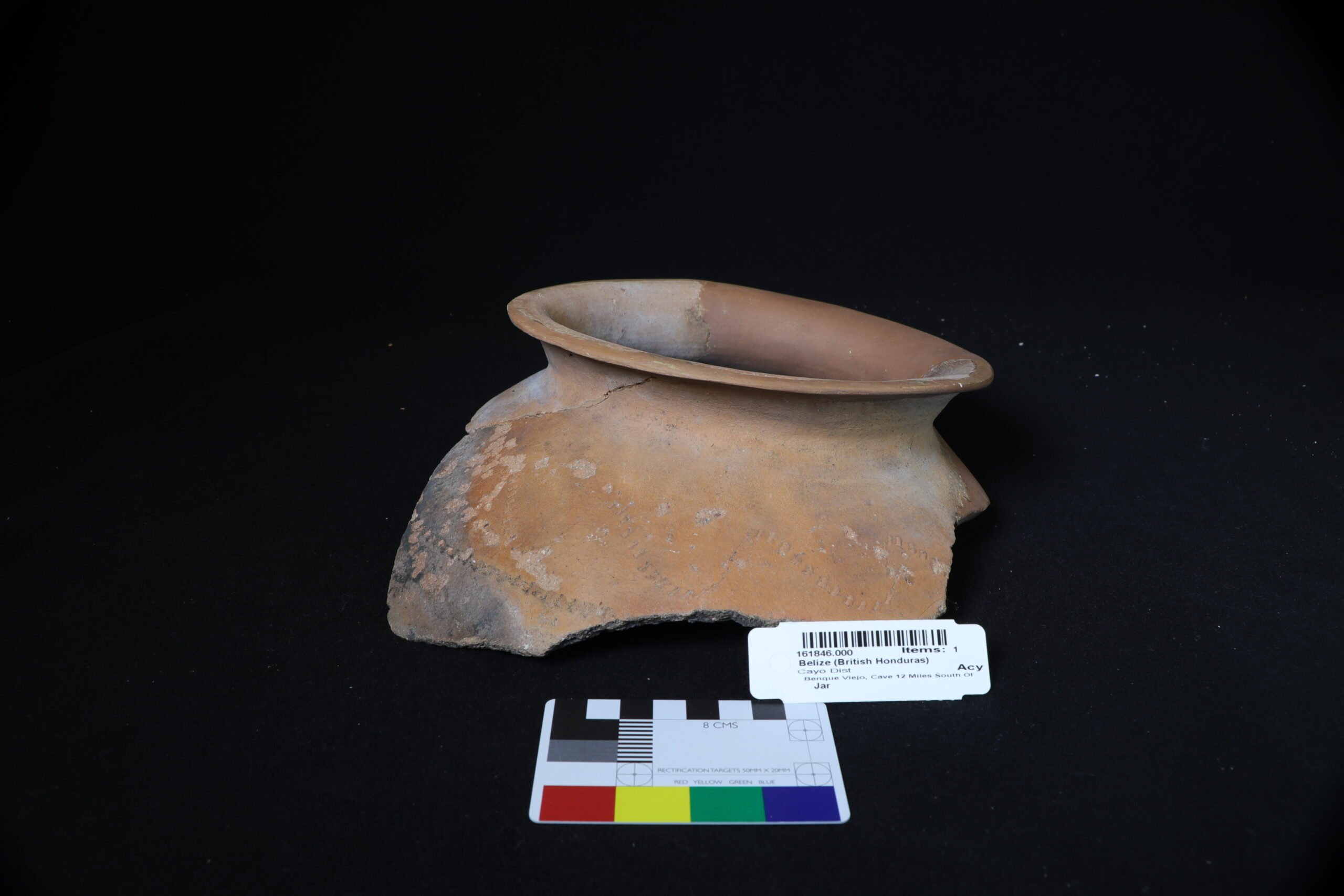
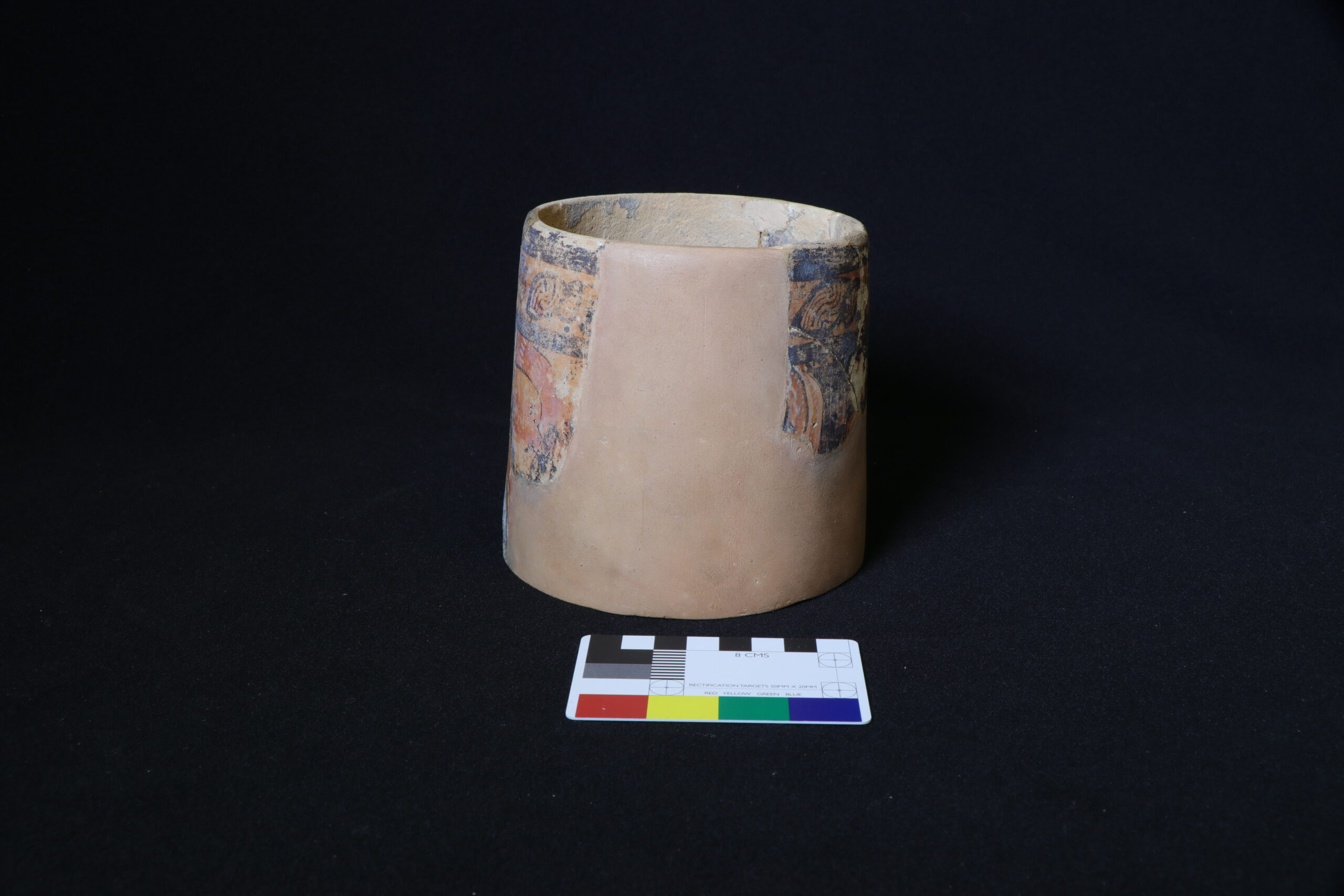
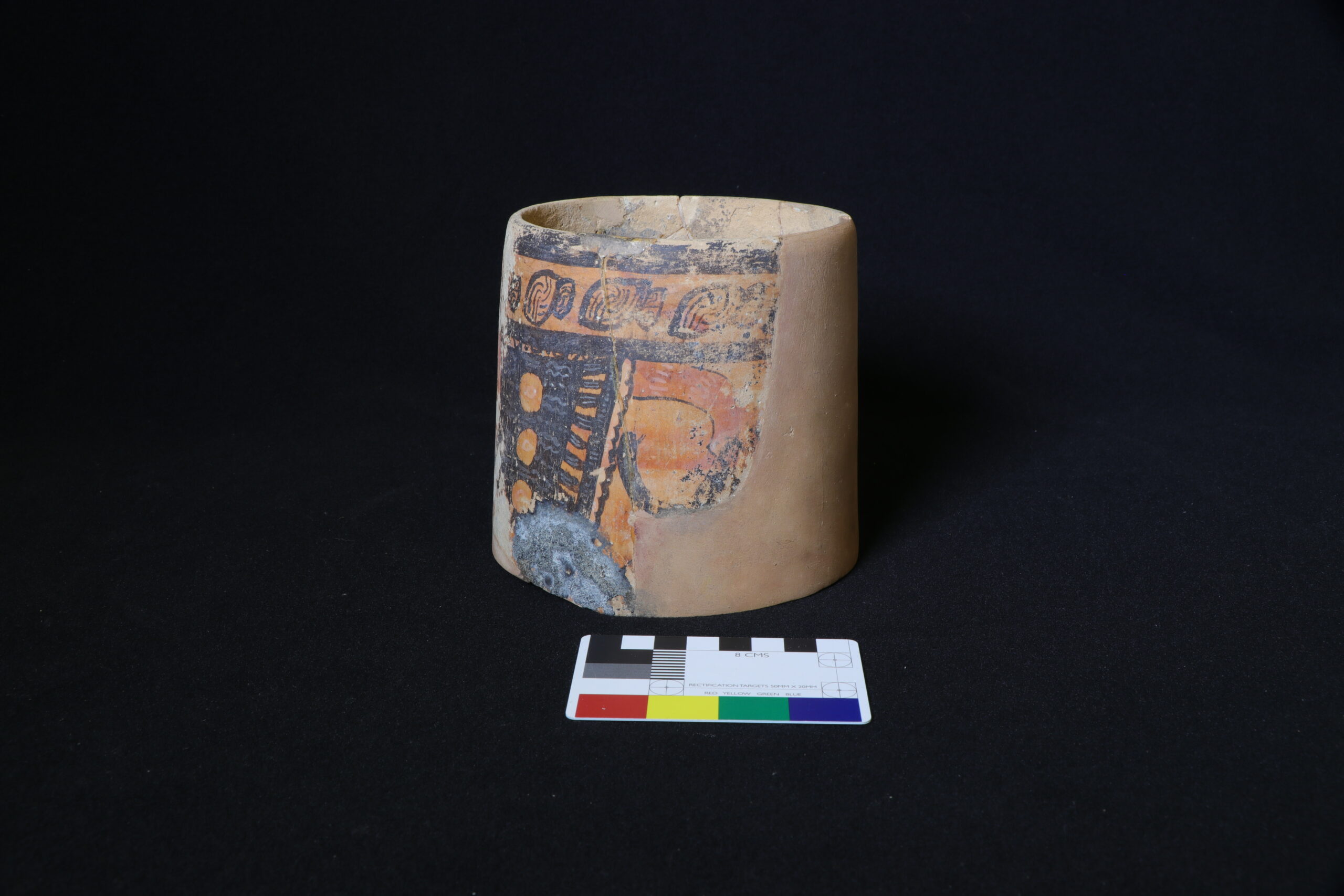
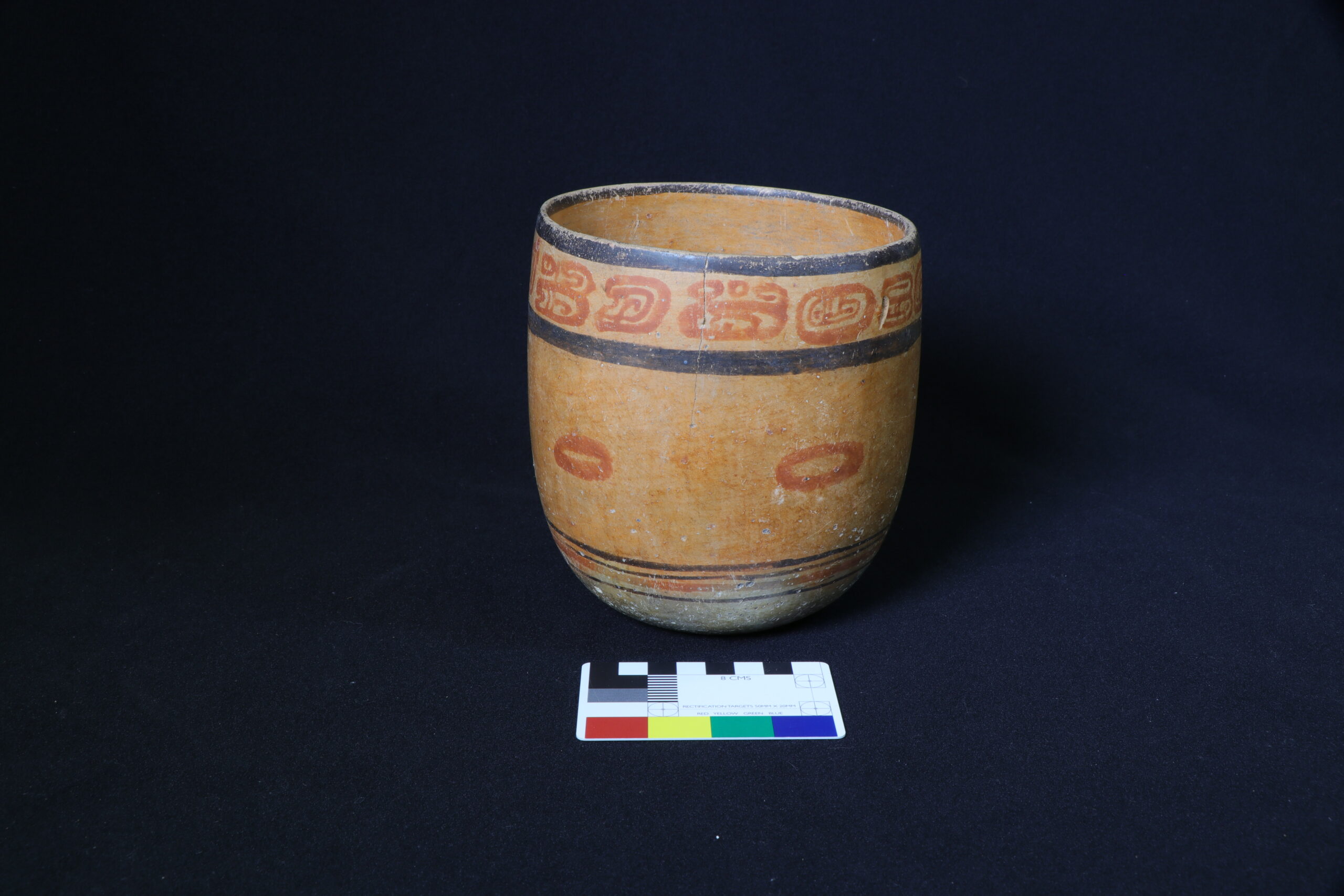
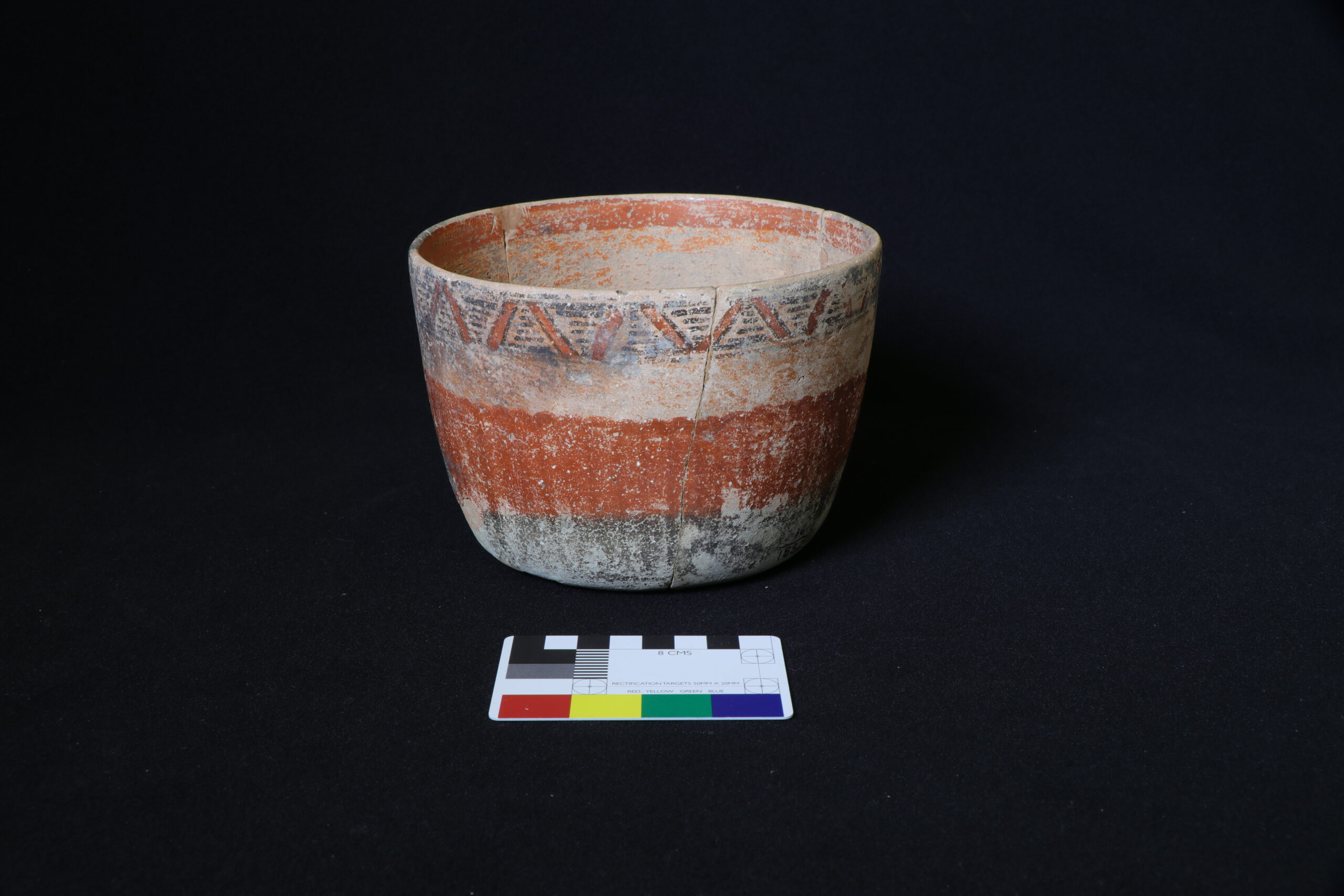
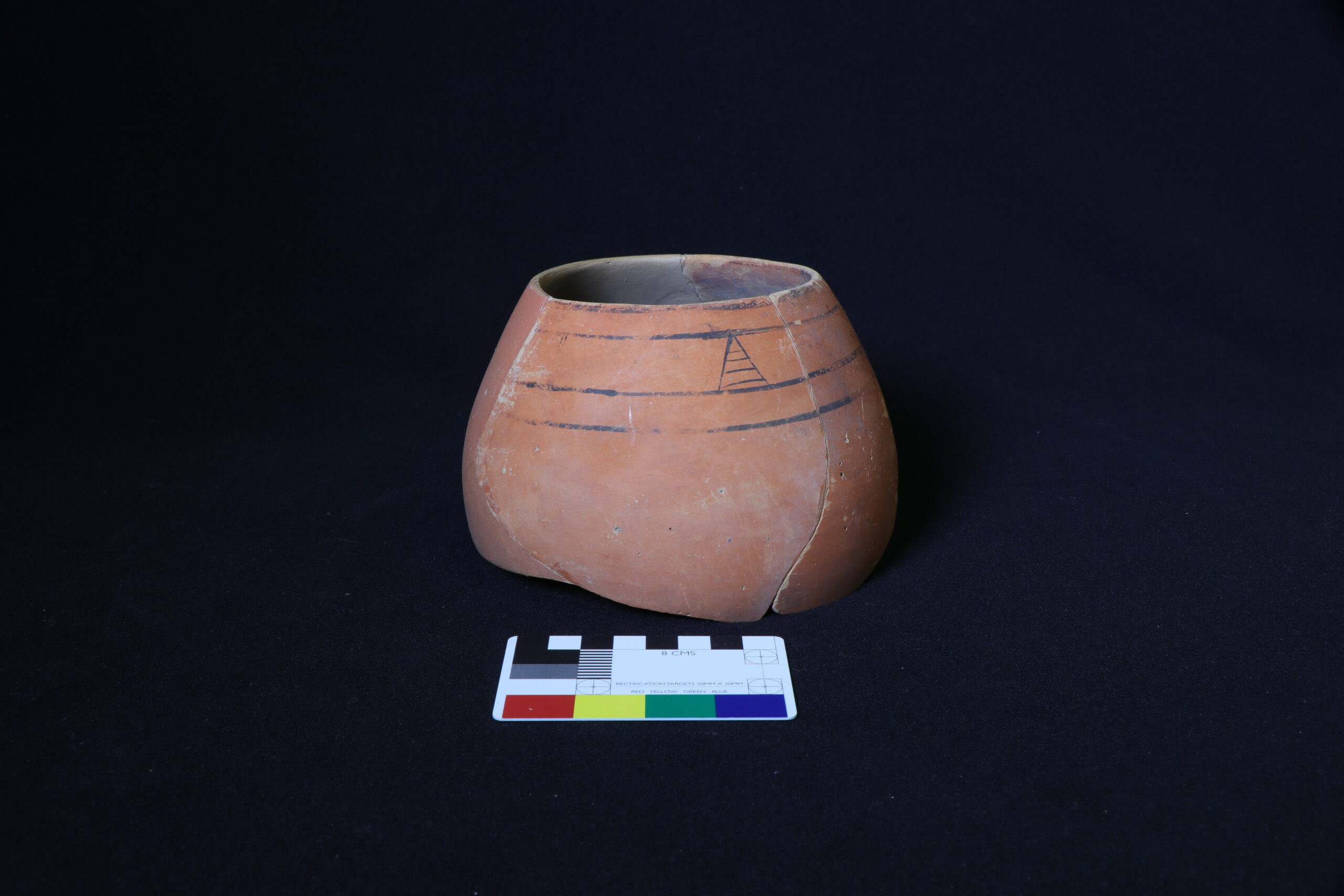
In 1928, the Museum of the American Indian (MAI)-Heye Foundation in NY commissioned Gregory Mason to travel to Mexico, Guatemala, and Belize (then British Honduas) to collect ethnographic object to add to its collection. On the trip, he learned of a cave from a Mr. Albert August who told him that it “opens from a slit in the side of the hill, and has many, many rooms filled with pots– pots everywhere” (Mason 1940). Given the purpose of his trip, Mason decided to make excavations there, and wound up locating two other caves, naming them Rio Frio Cave A, B, and C. Today Caves A and B are known as Twin Cave, and Cave C is Rio Frio Cave. Mason collected over 700 artifacts, mostly ceramics from the three caves. Coming to an agreement with the colonial authorities after the fact, Mason was permitted to ship the entire assemblage back to the MAI with the understanding that half of the collection would remain property of the colonial government. The agreement stipulated that the government’s half would be shipped to the British Museum half a year later, and the Heye Foundation could keep the remaining portion for their collections. After taking basic measurements of just the whole and partial vessels in Belize, Mason shipped the assemblage back to NY. There, MAI staff prepared the collection, refitting and reconstructing the artifacts.
It remains unclear if Mason interacted with the collection again after shipping it back to NY. Nevertheless, Mason published a short monograph on the caves and its artifacts in the Heye Foundation’s Indian Notes and Monograph Series. Titled, “Pottery and Other Artifacts from Caves in British Honduras and Guatemala” (the link will bring you to another website). Though he mentions a cave in Guatemala and another in Belize near the border, the small book focuses on the the Rio Frio Caves and Mason’s trip there. Unfortunately, it reads more like an adventure journal than it does a proper archaeological report. Illustrated with 30 photographs reproduced in varying qualities, the disorganized discussion provides some measurements and descriptions of only the whole and partial vessels and the non-ceramic artifacts. In the text, the locations of some of the described artifacts are given, but it appears Mason did not record the provenience for most.
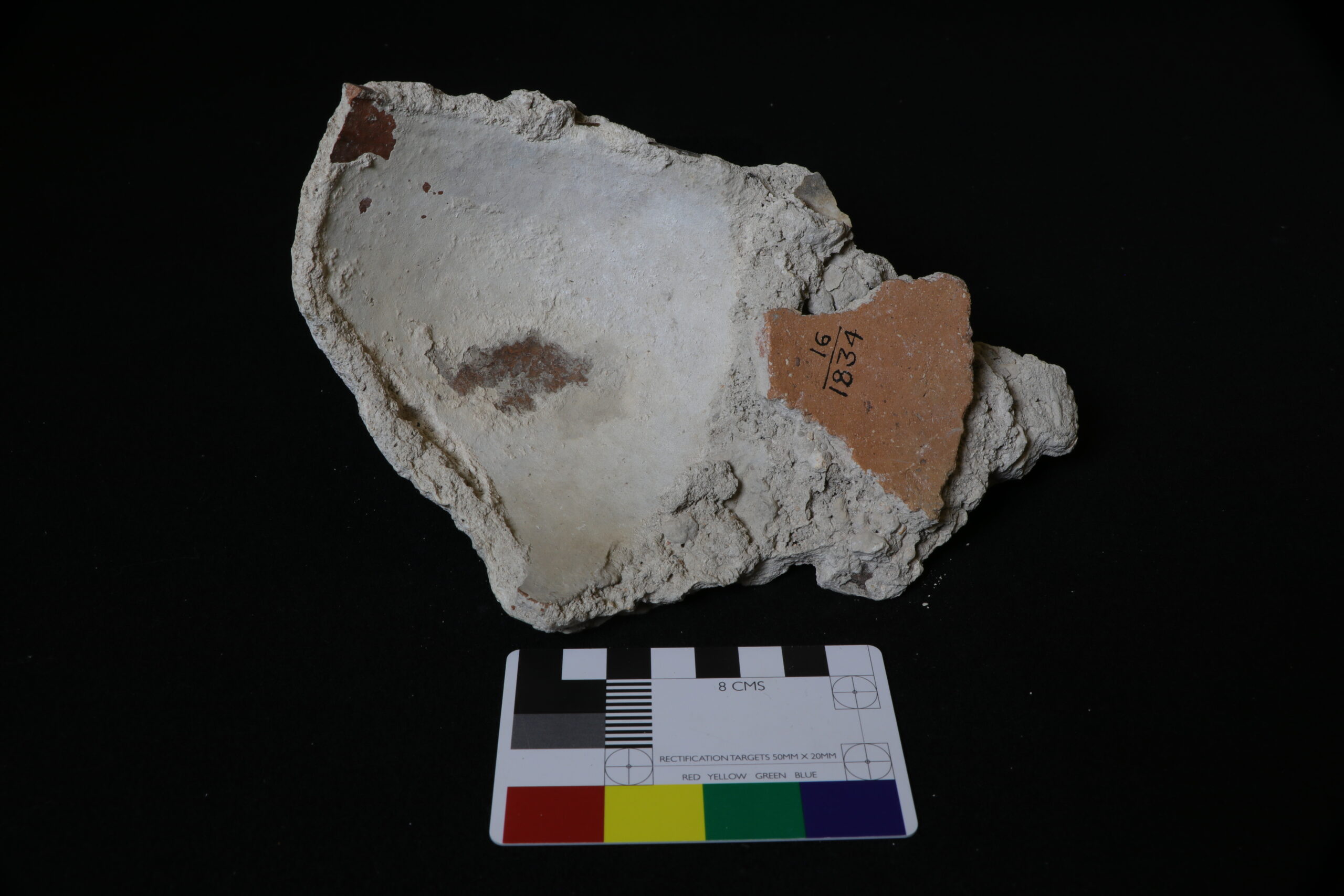
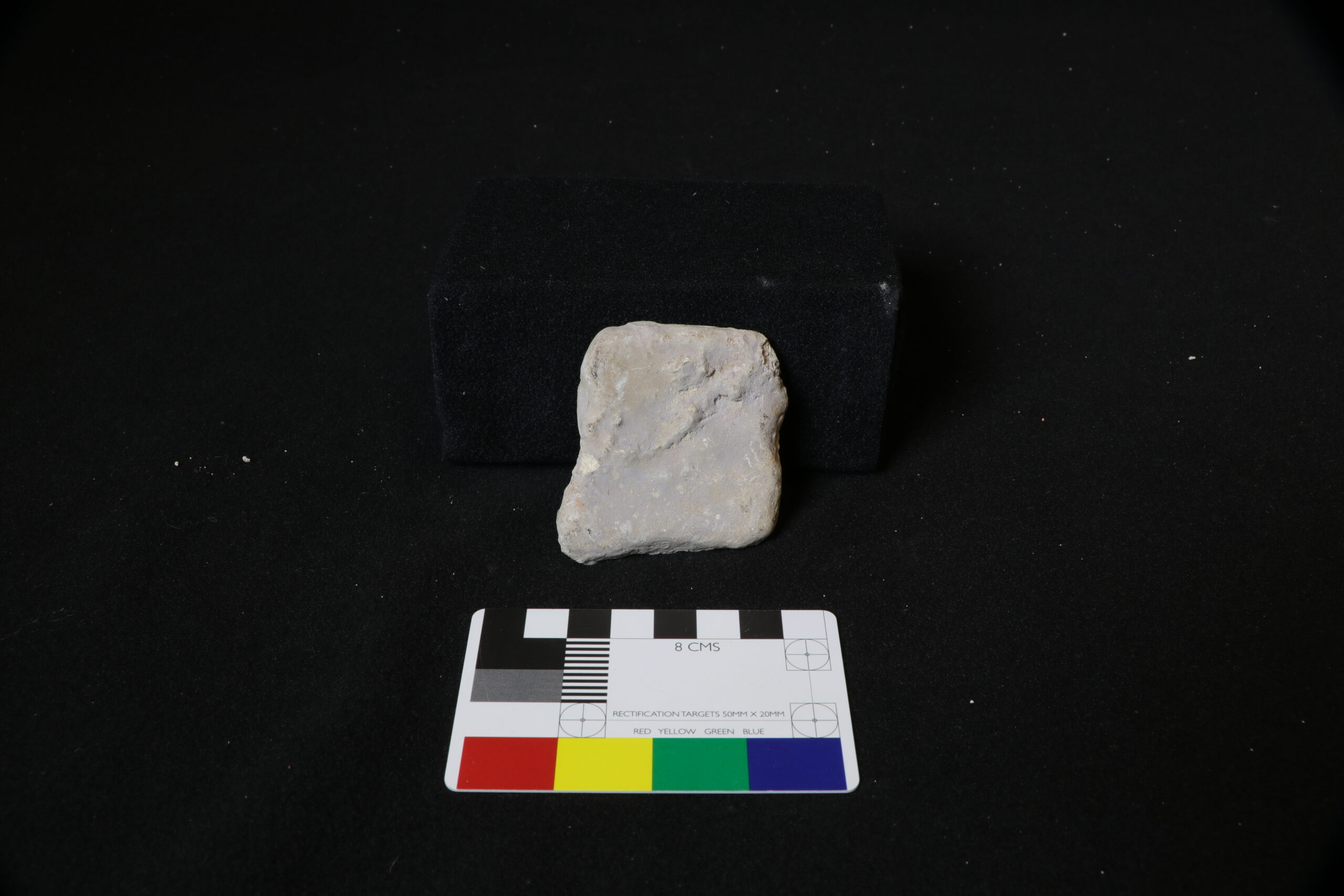
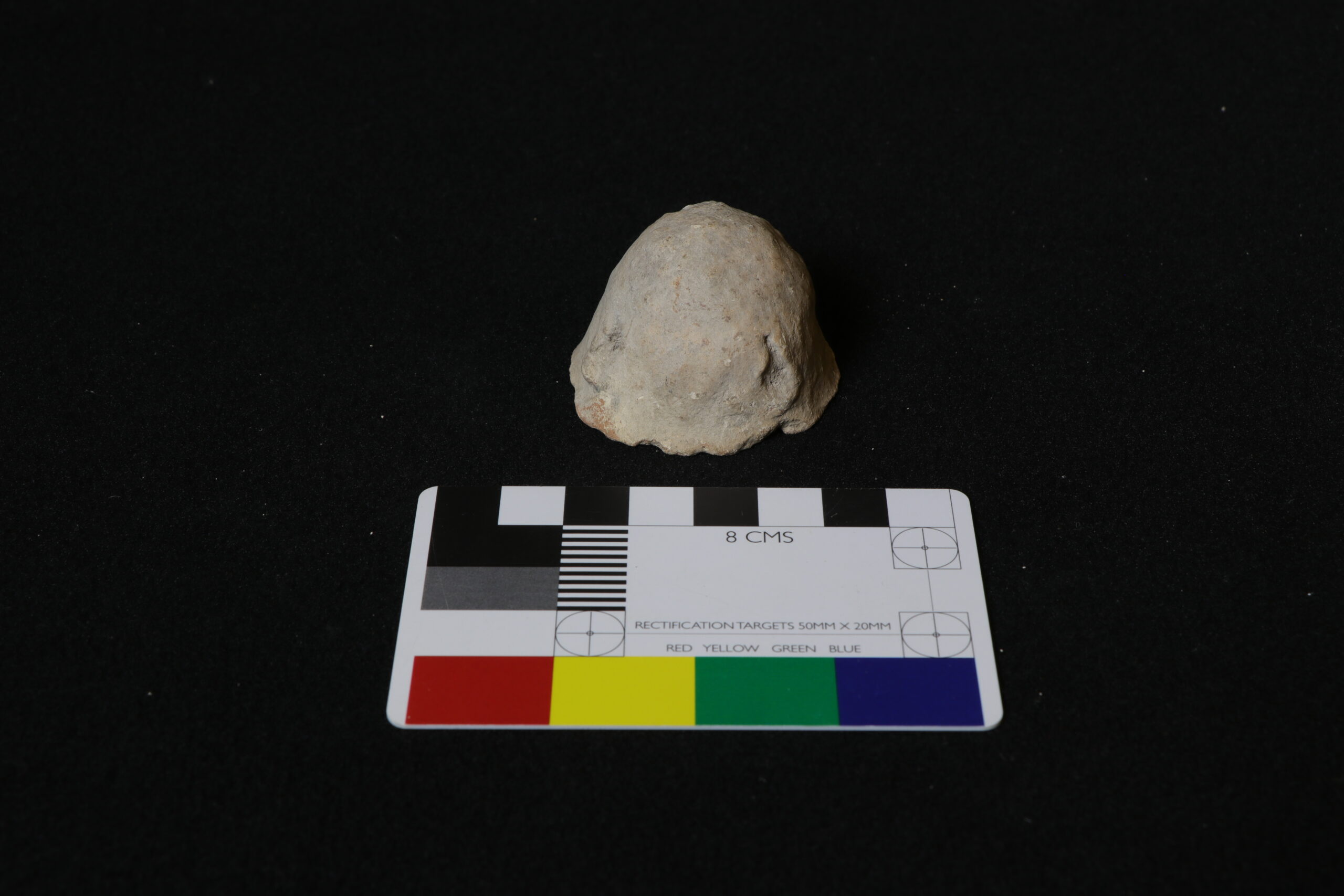
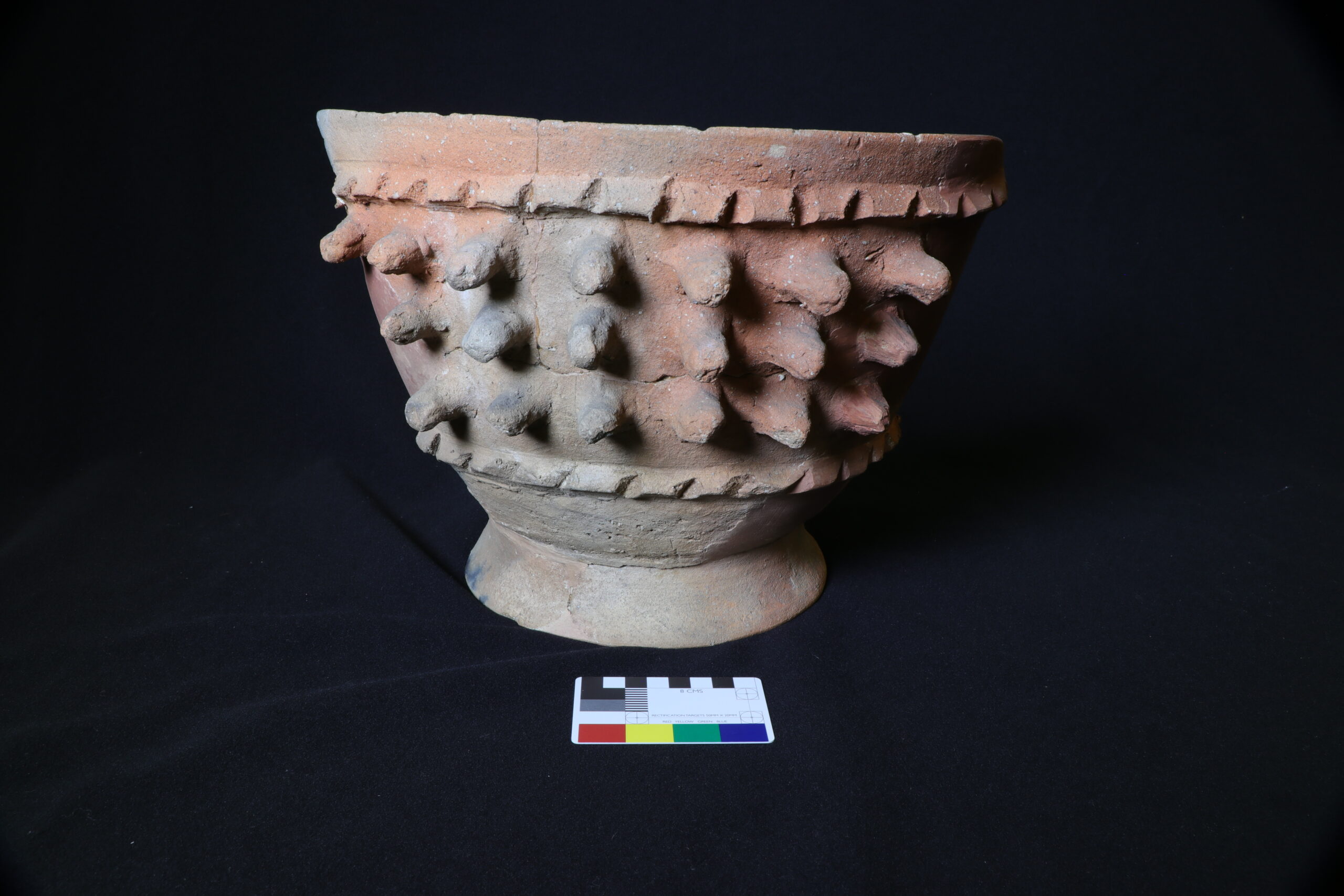
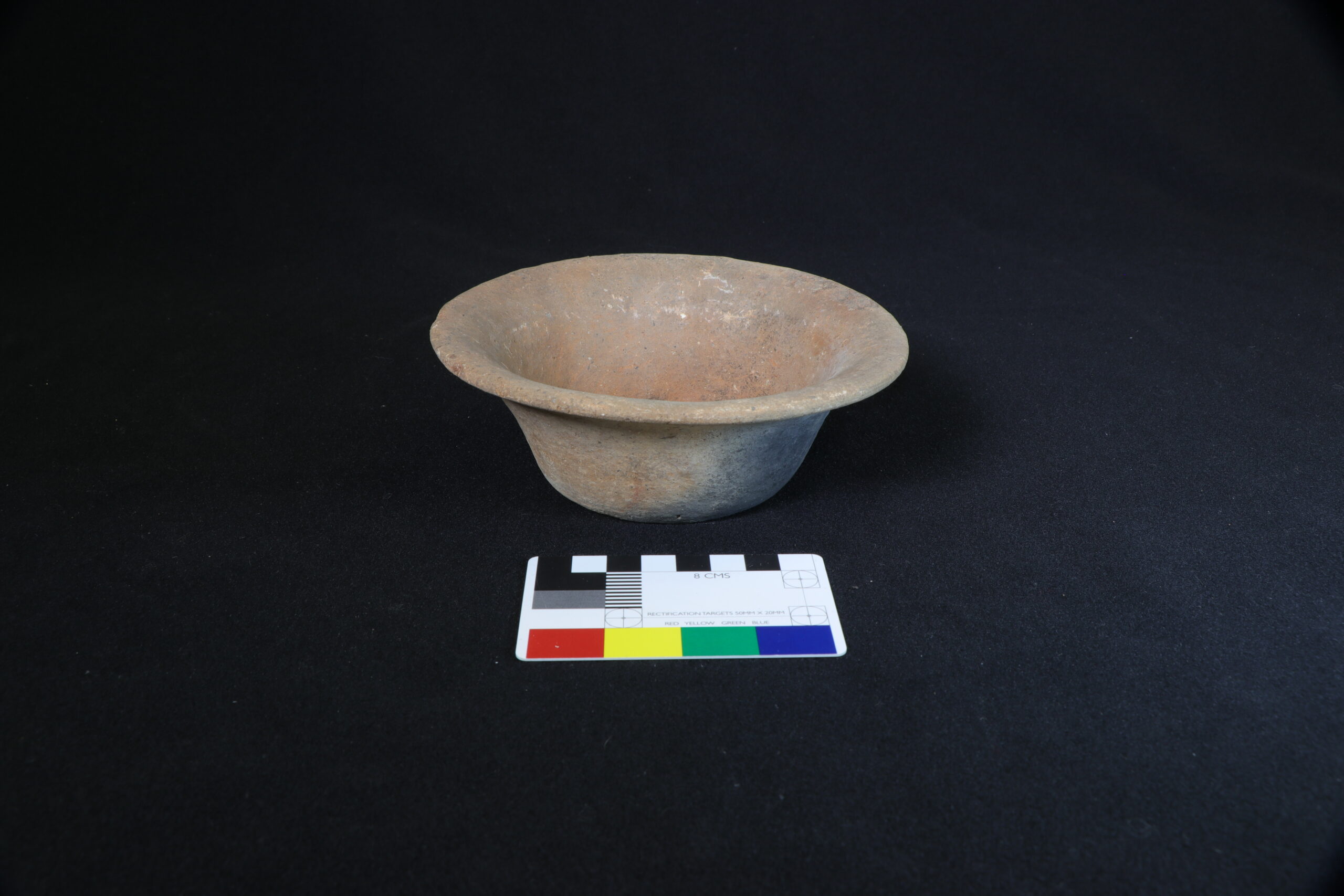
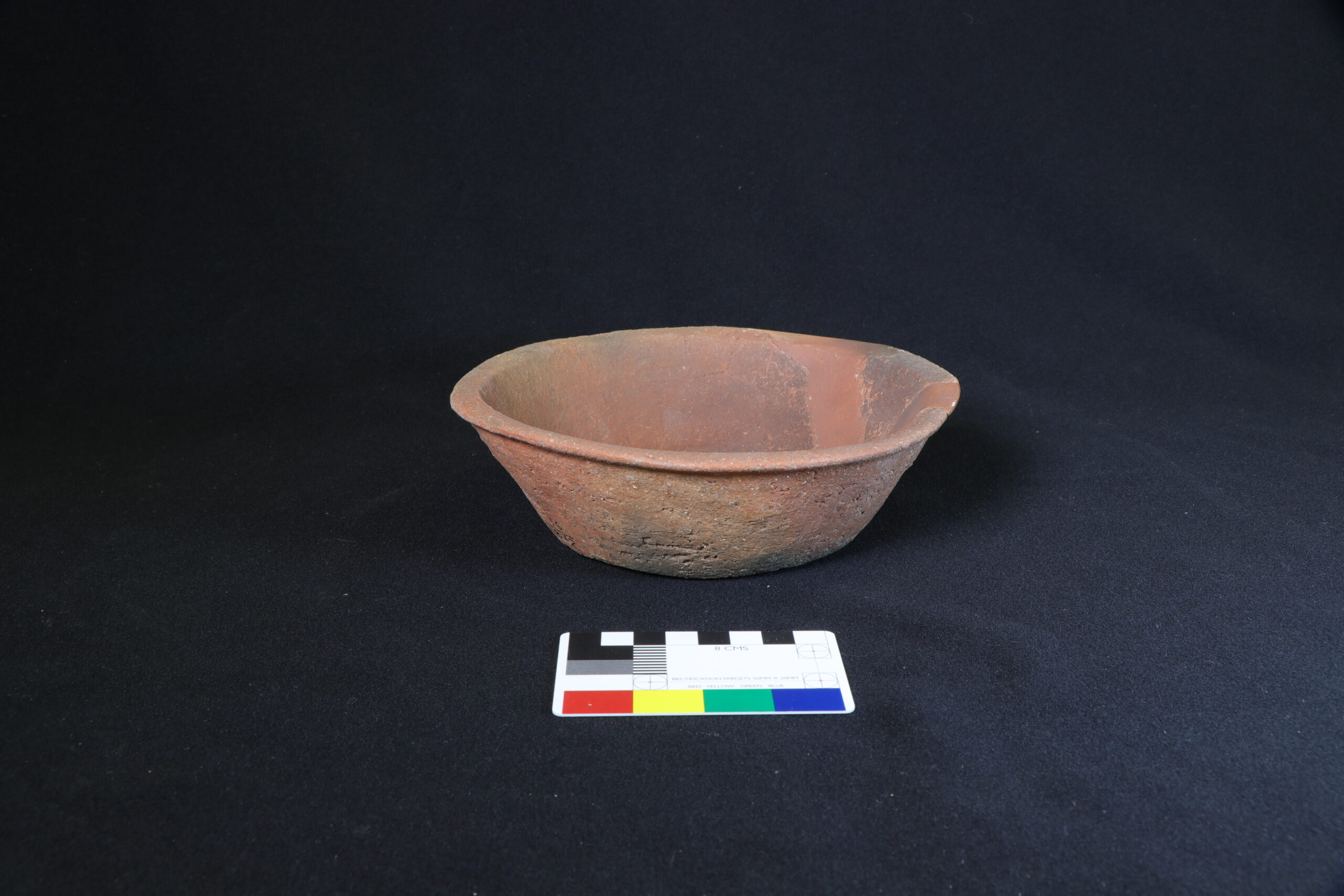
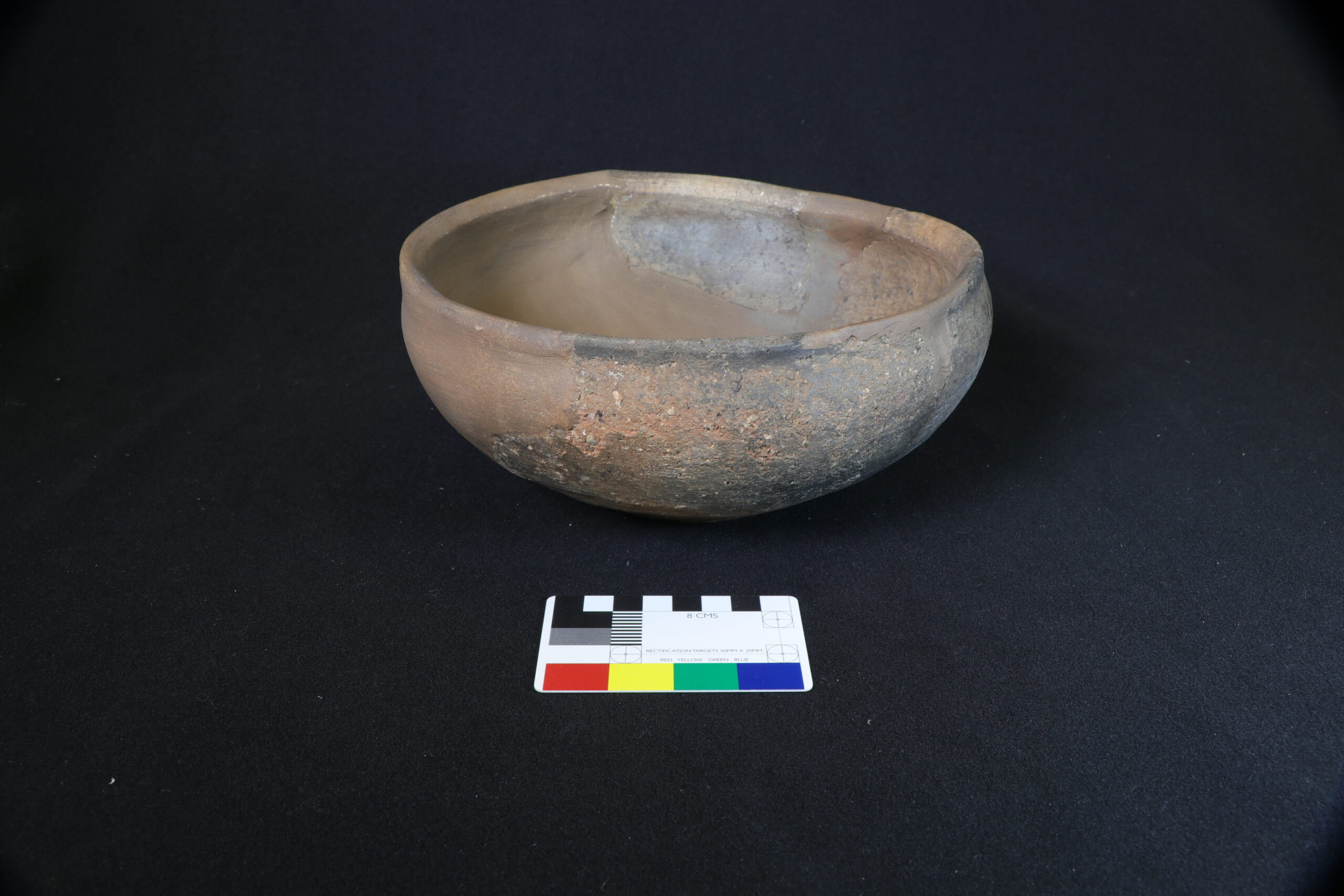
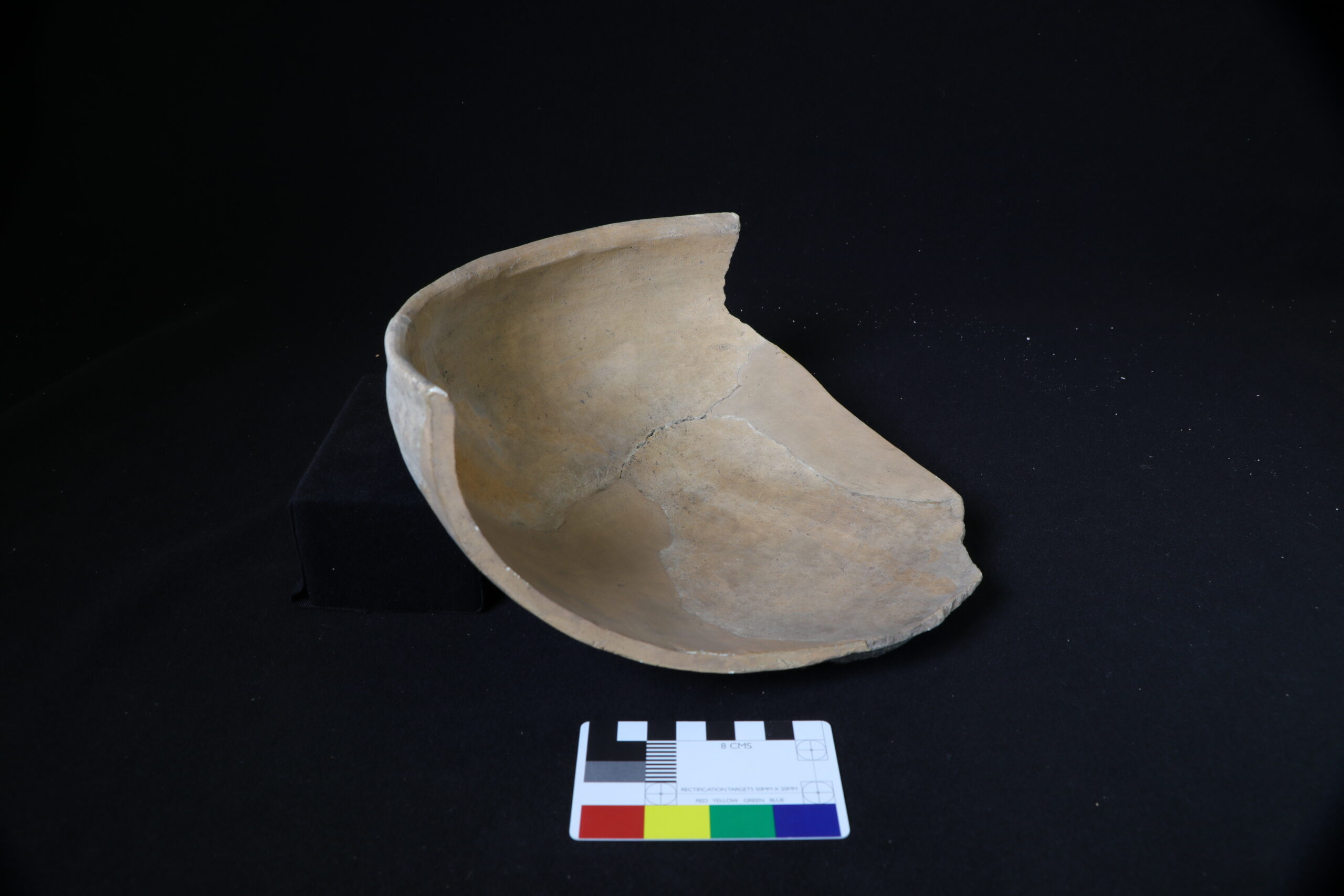
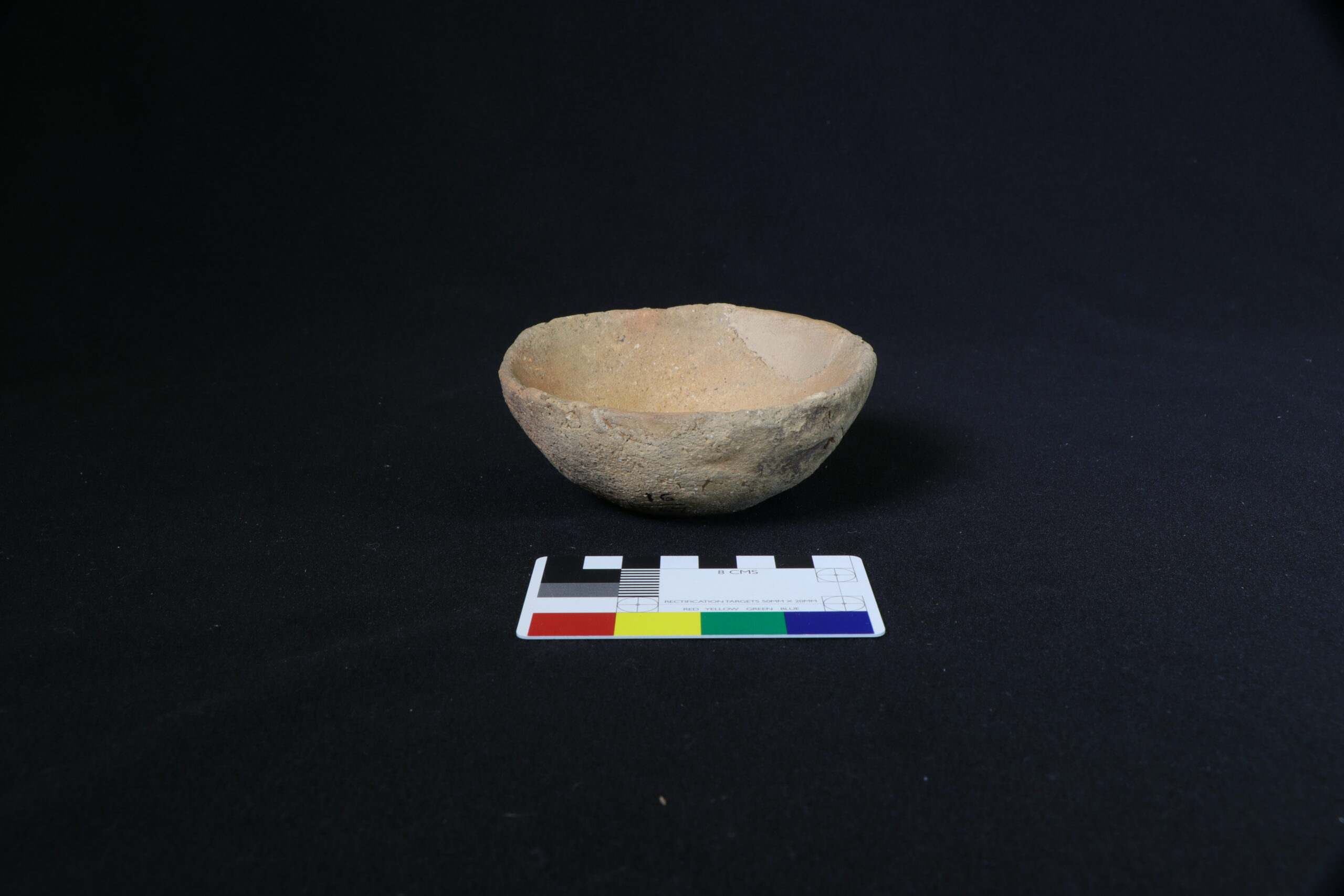
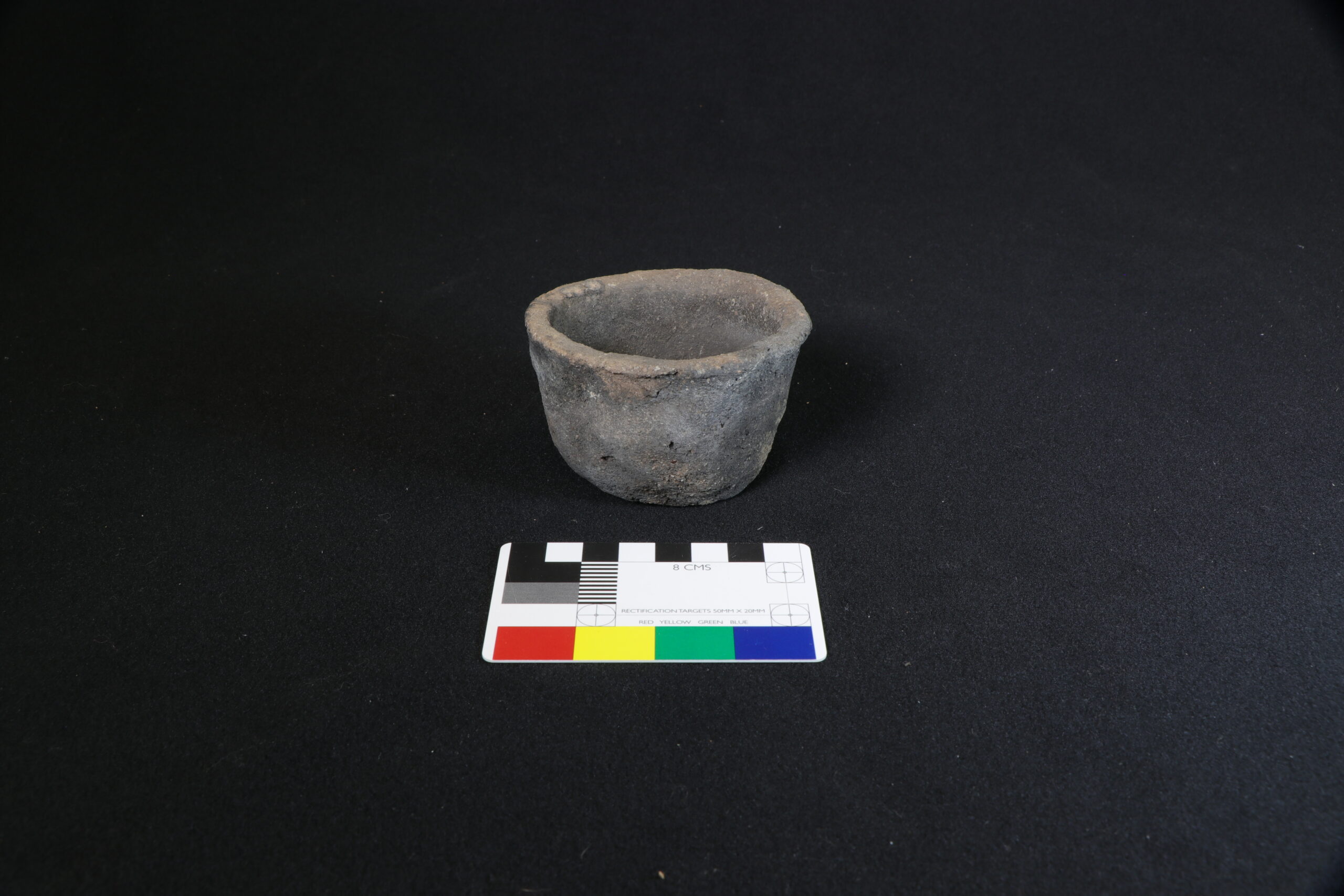
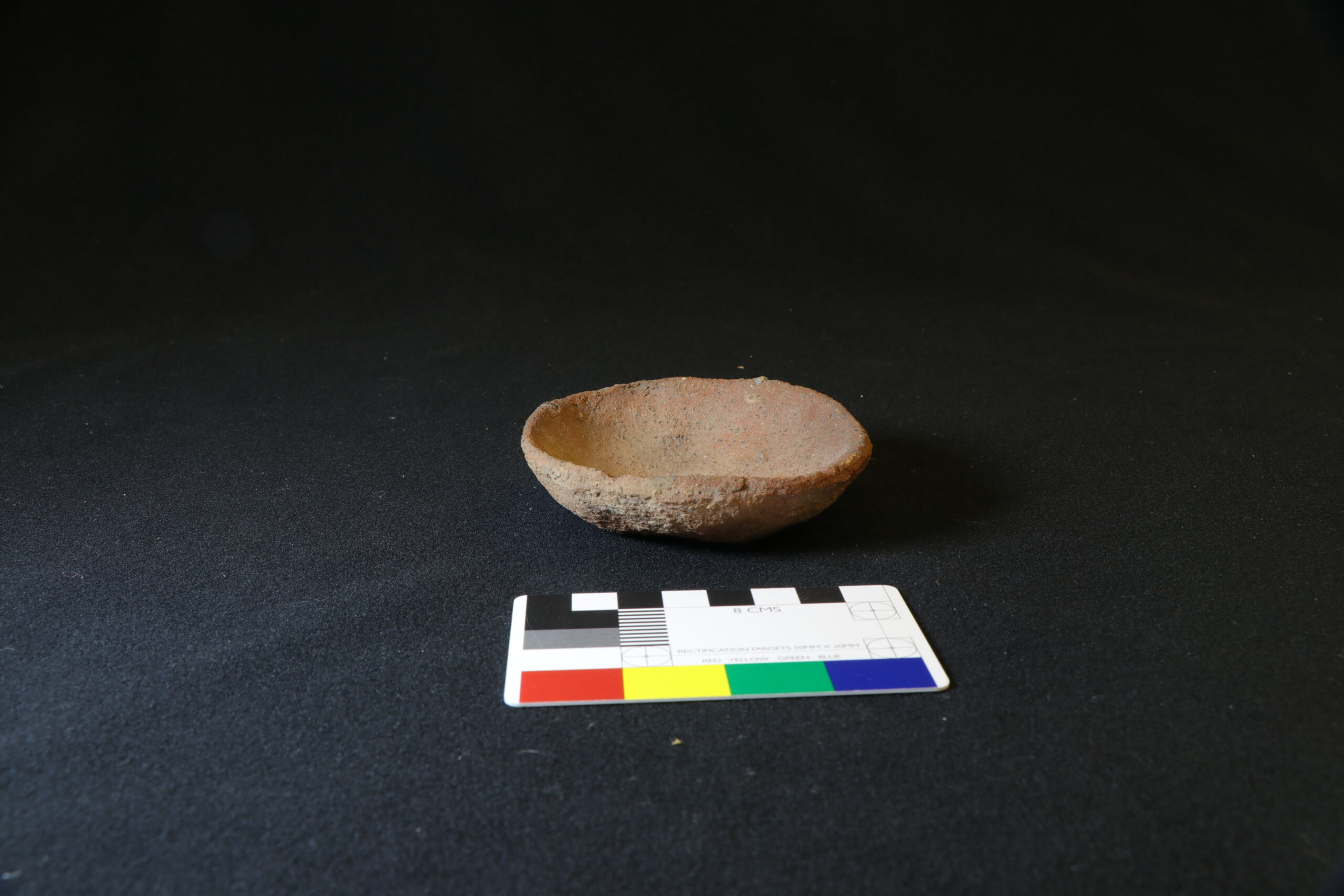
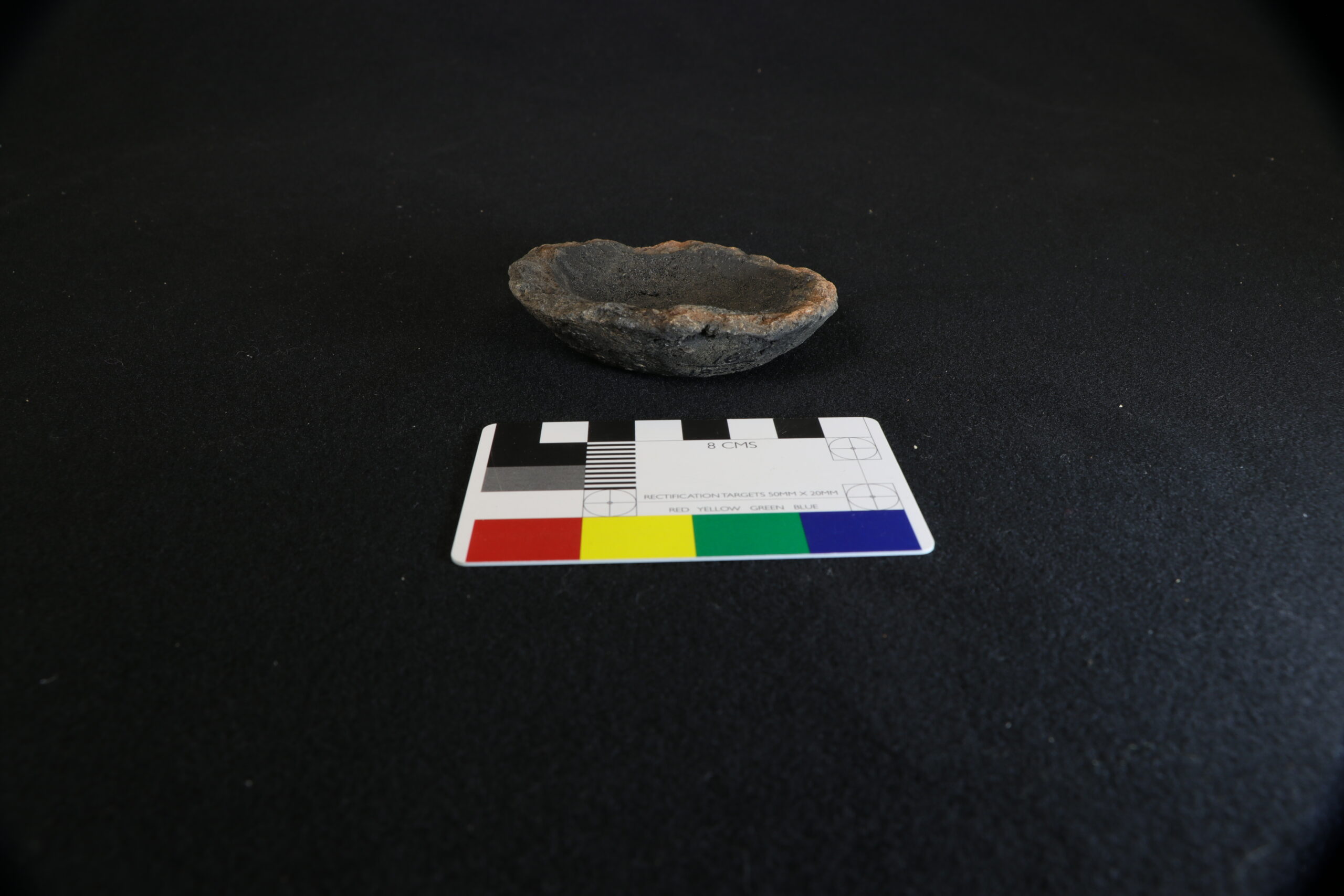
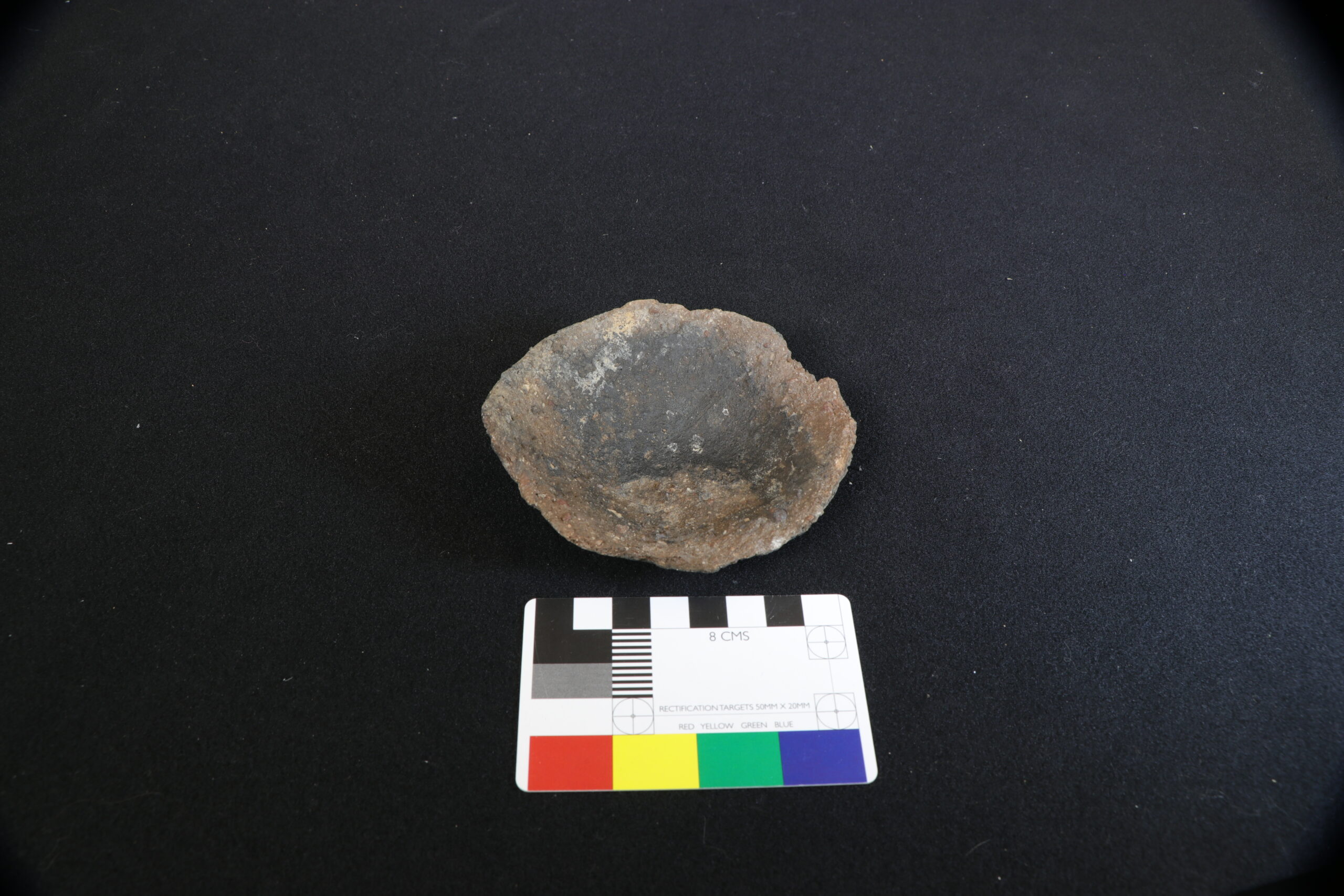
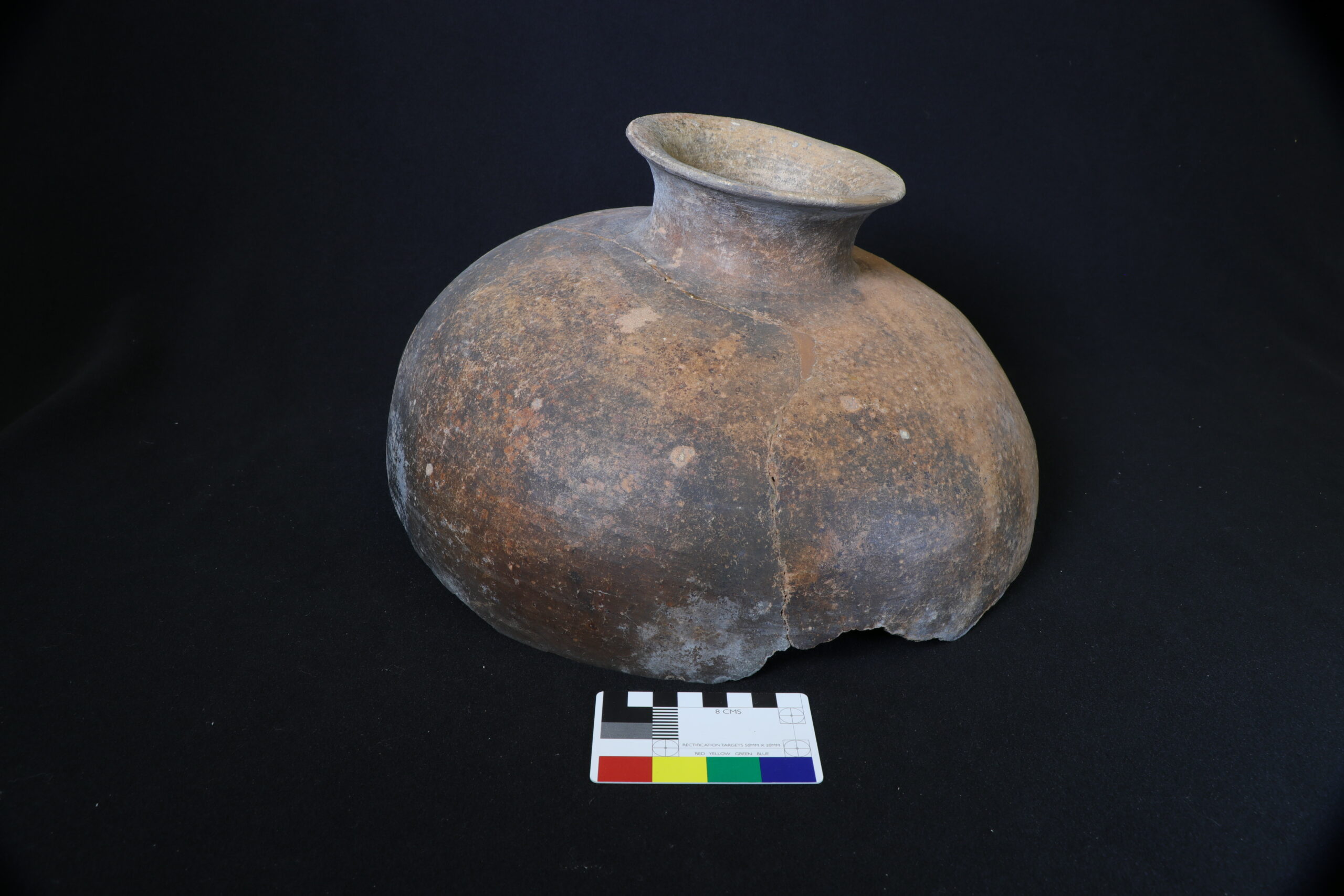
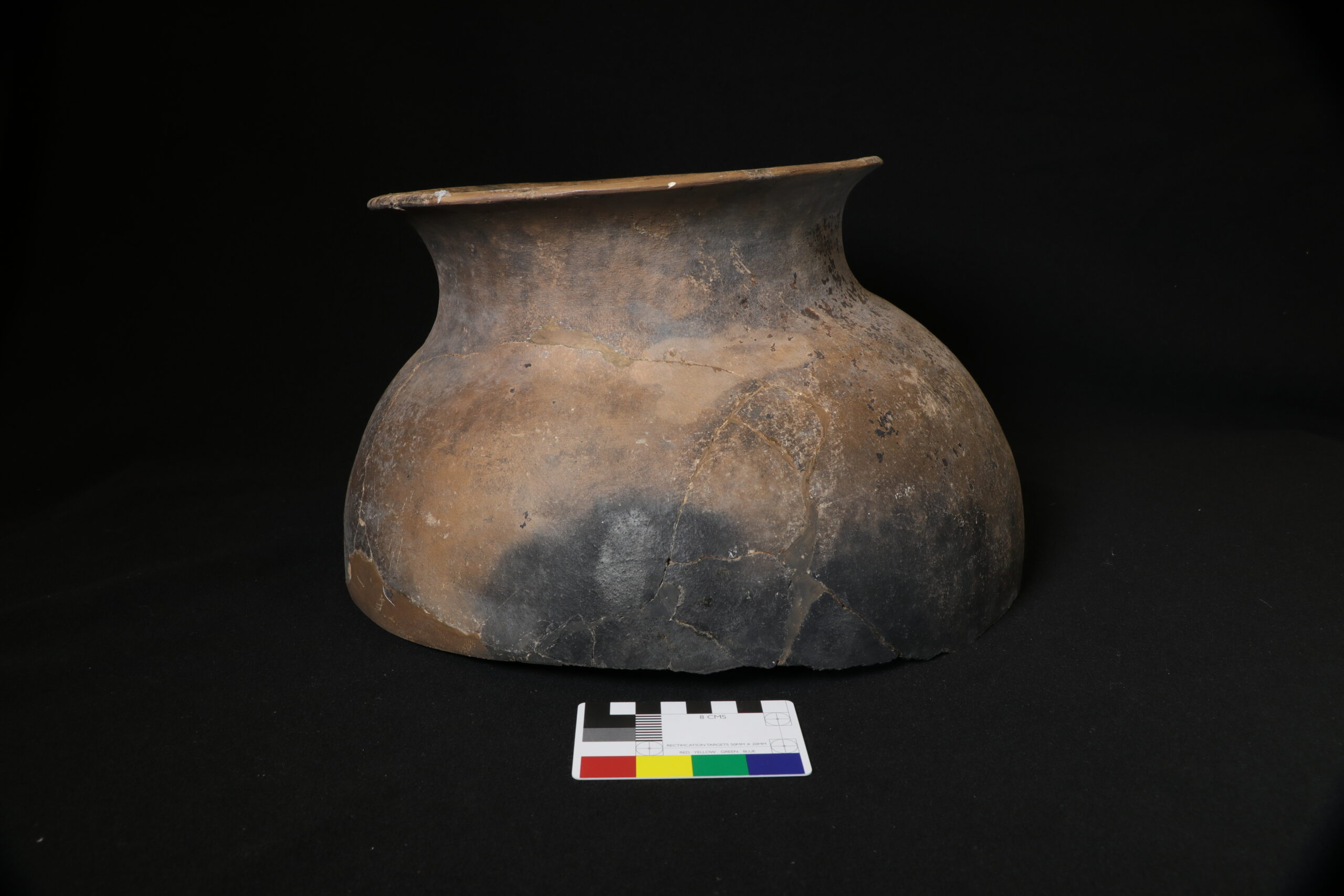
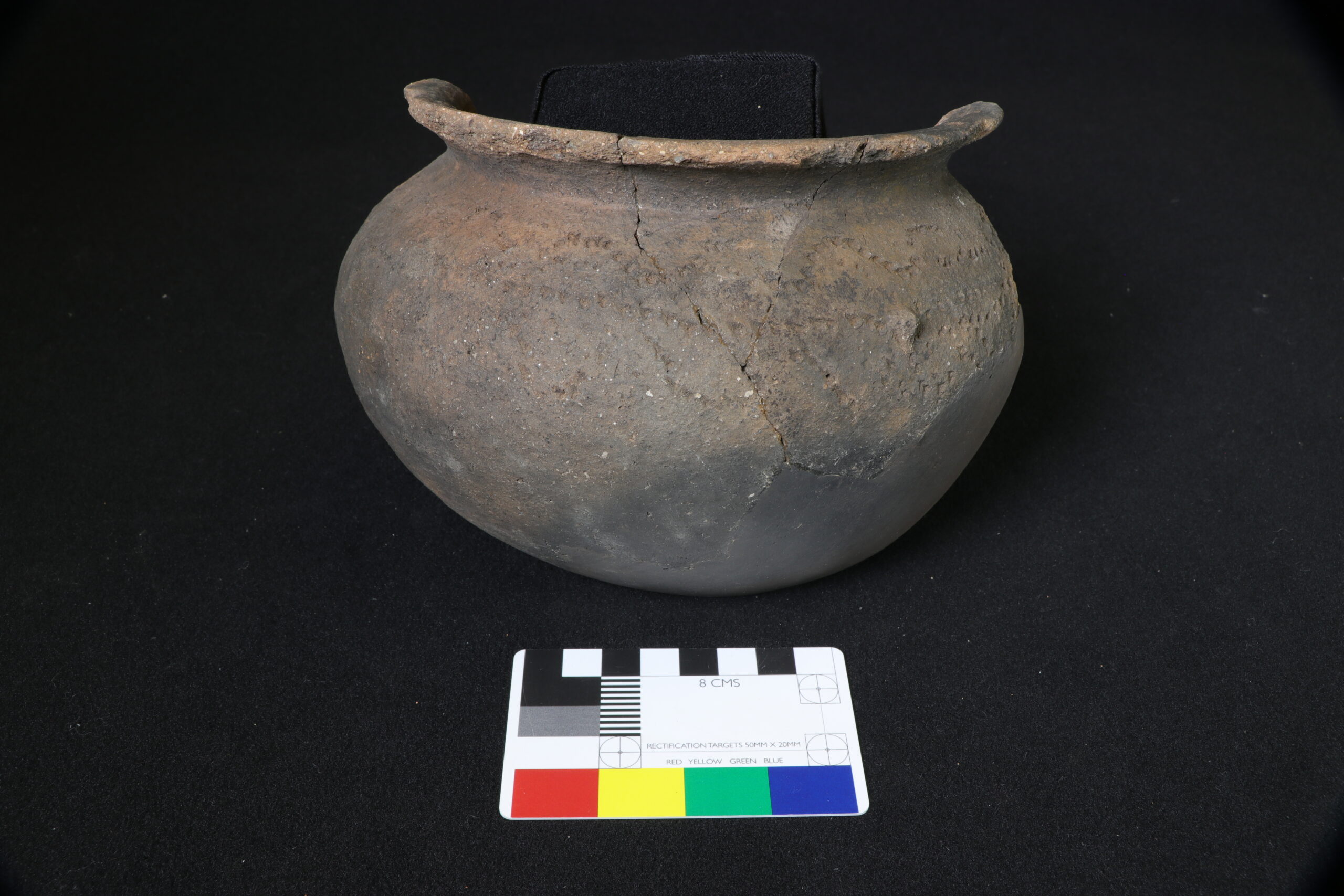
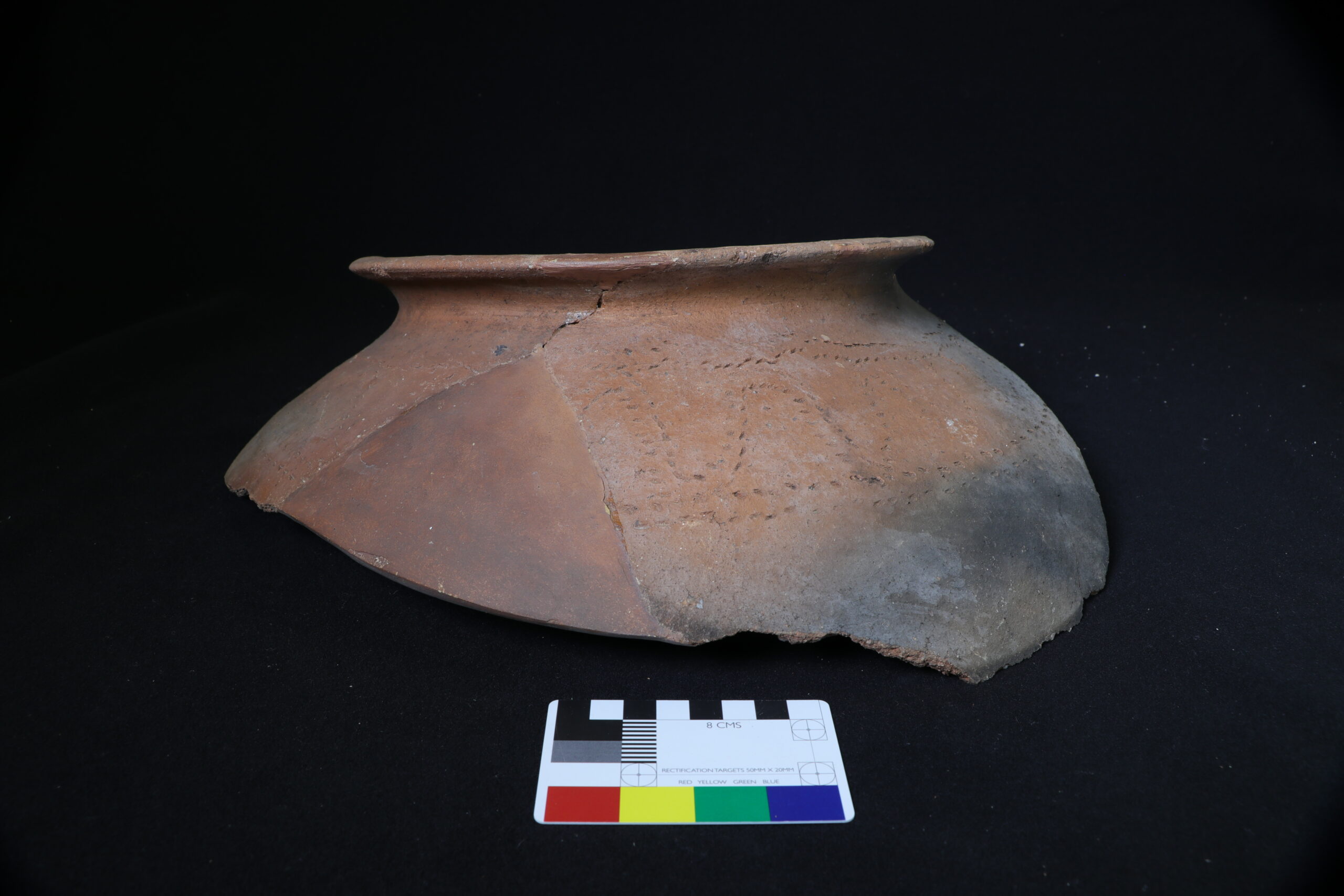
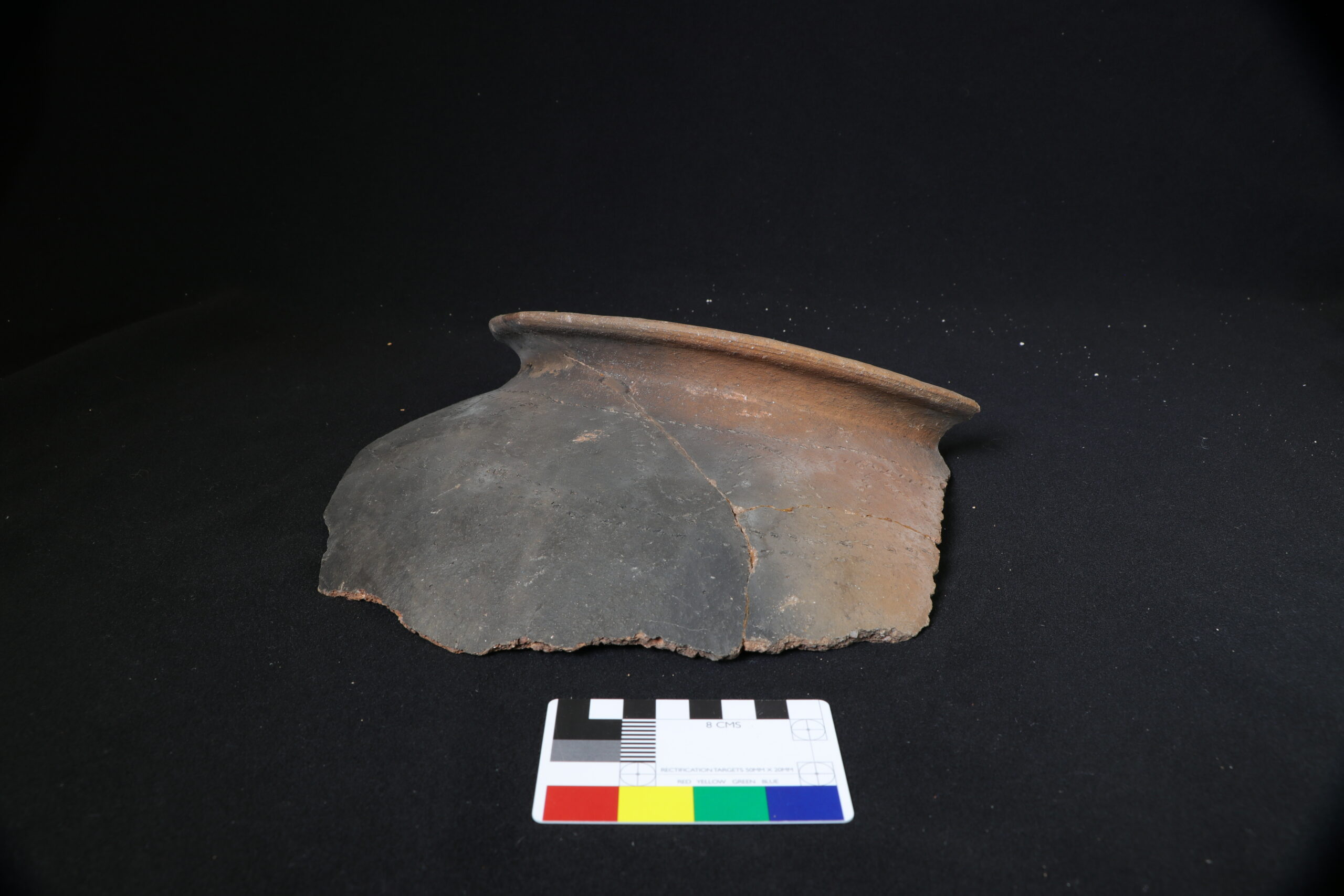
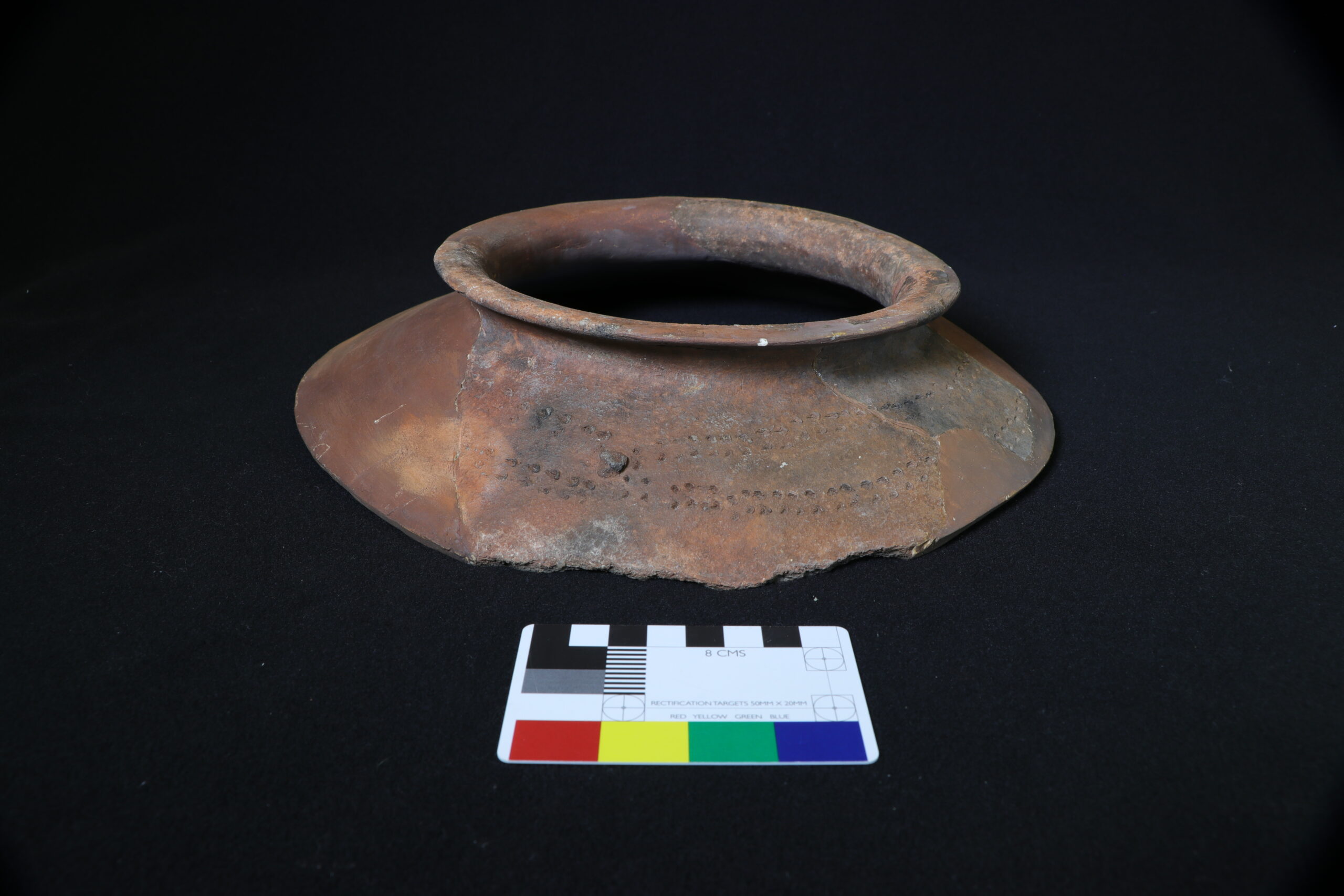
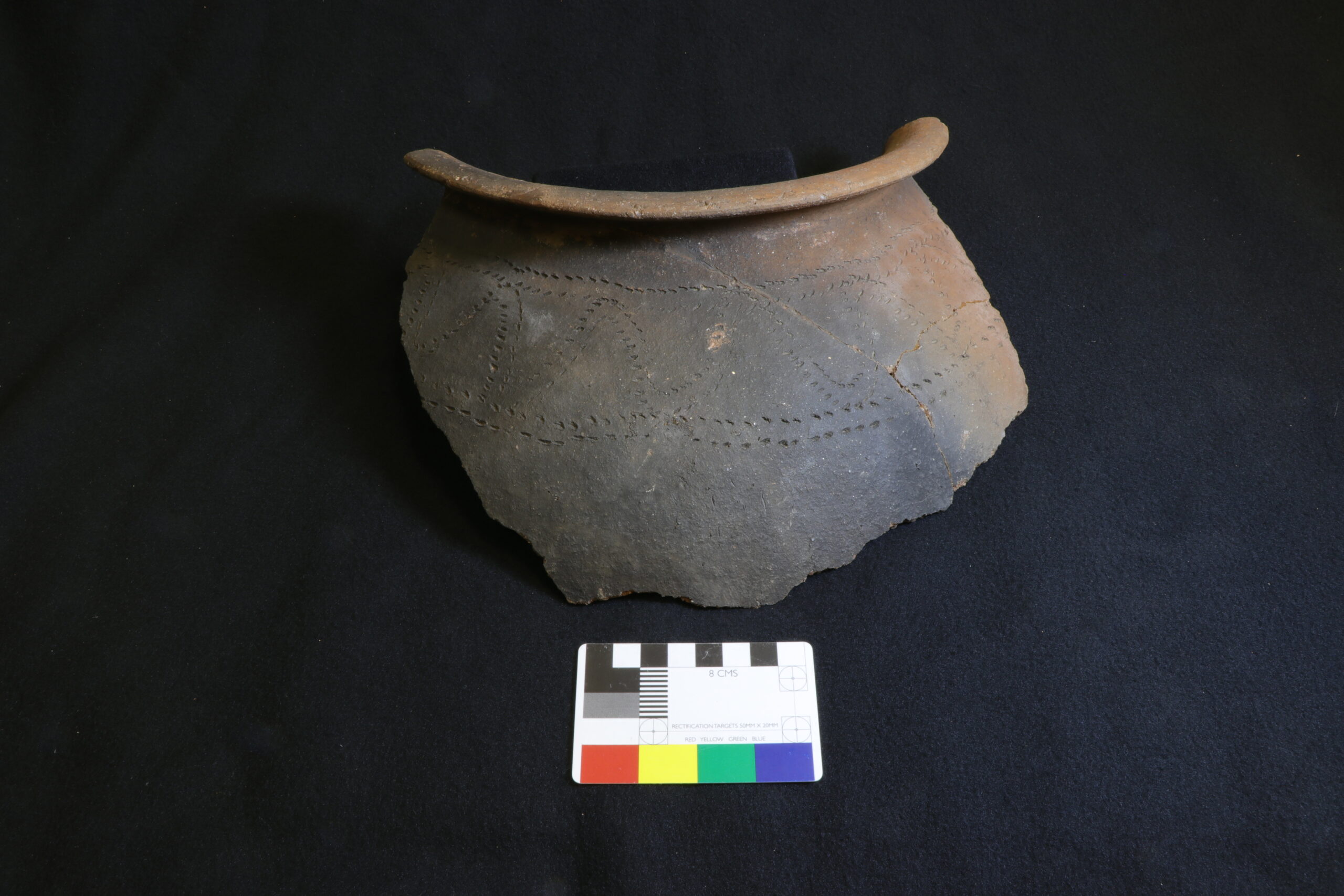
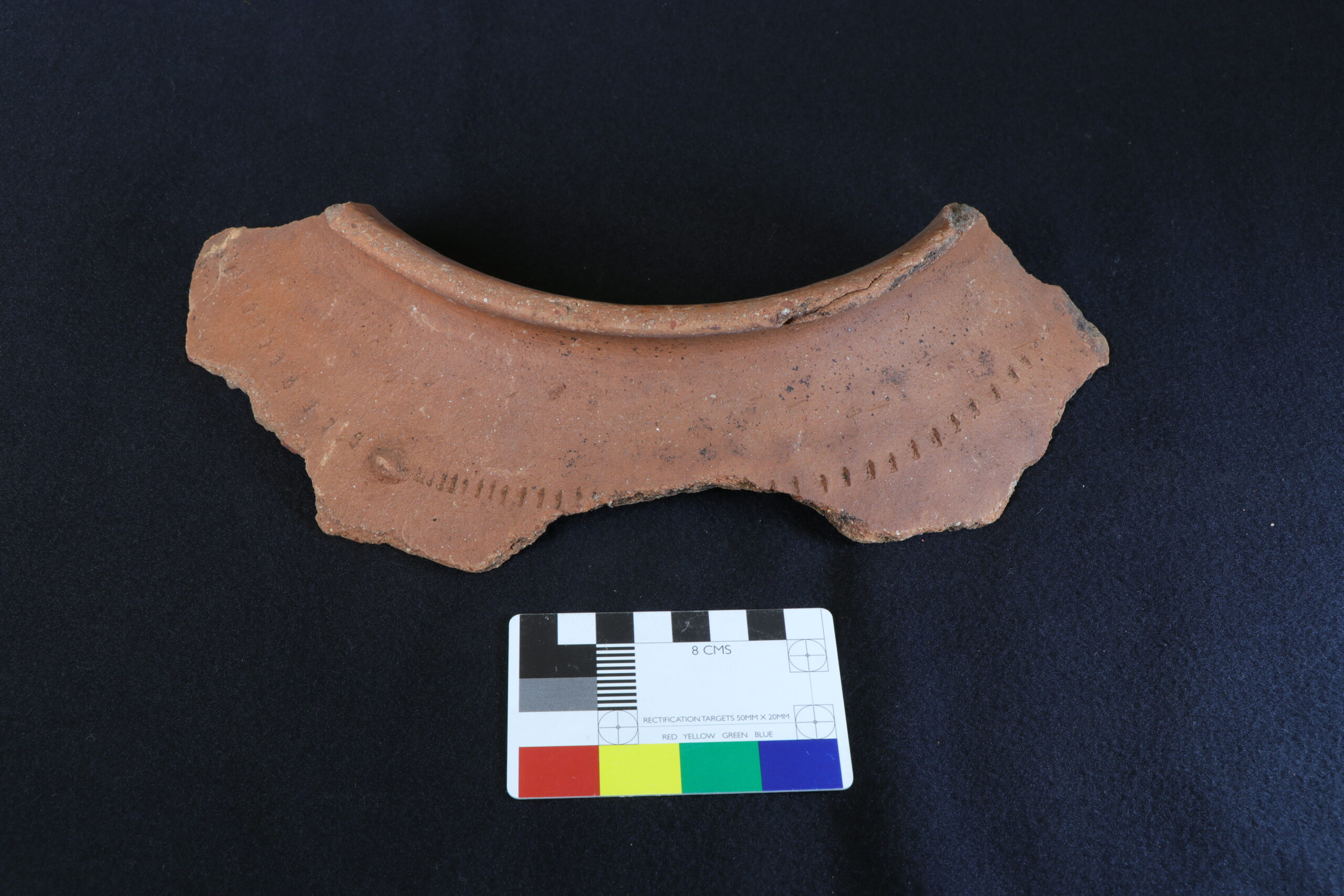
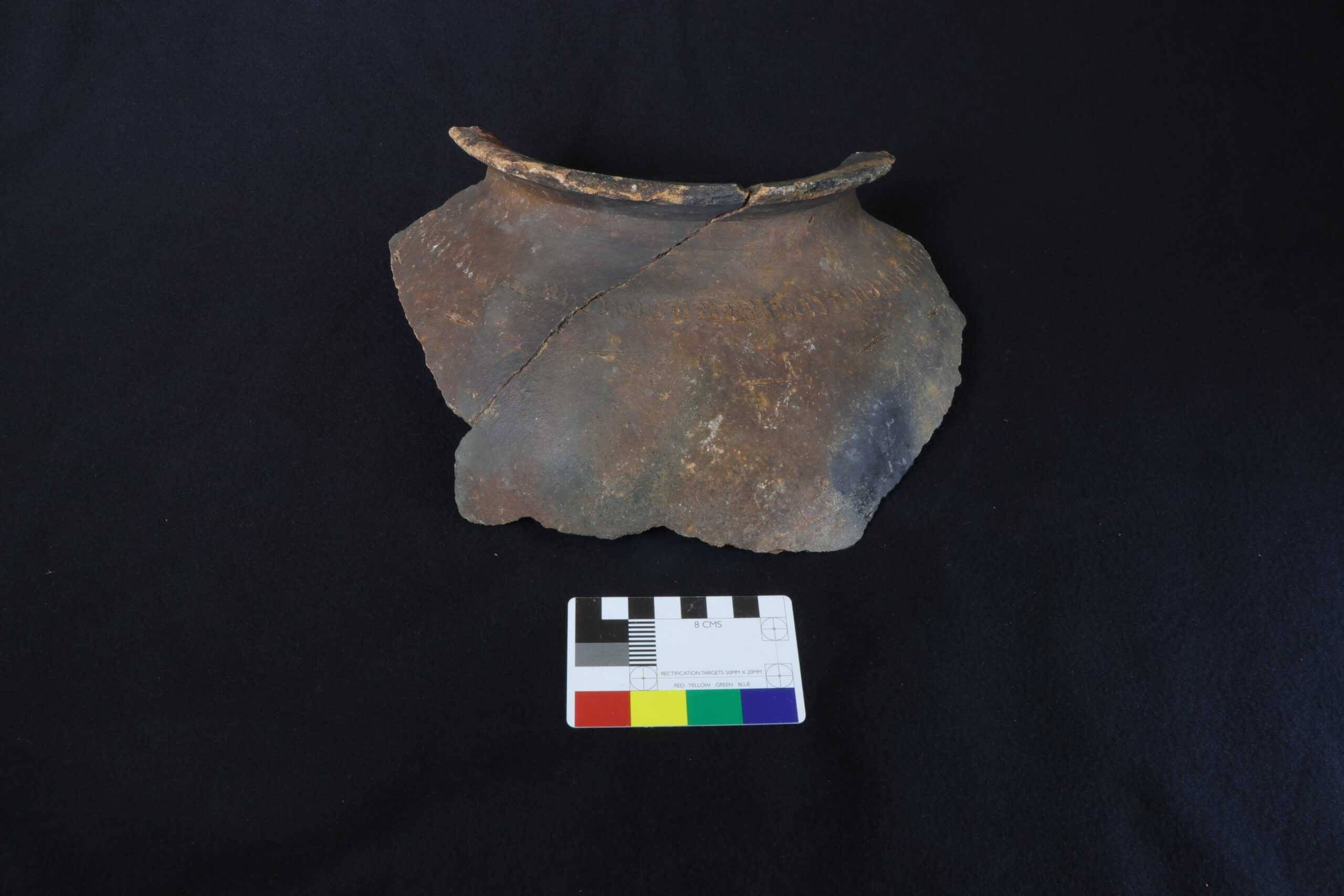
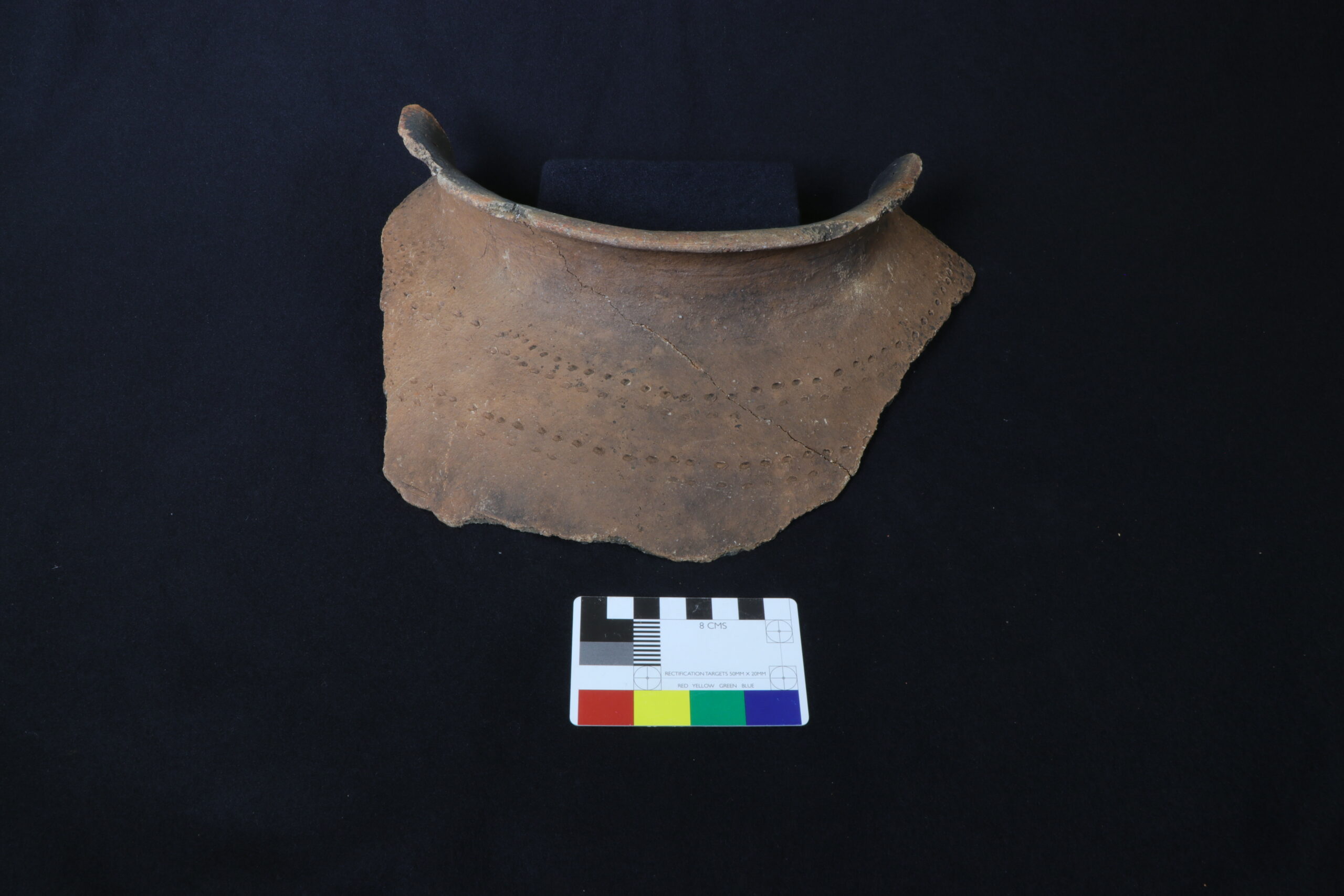
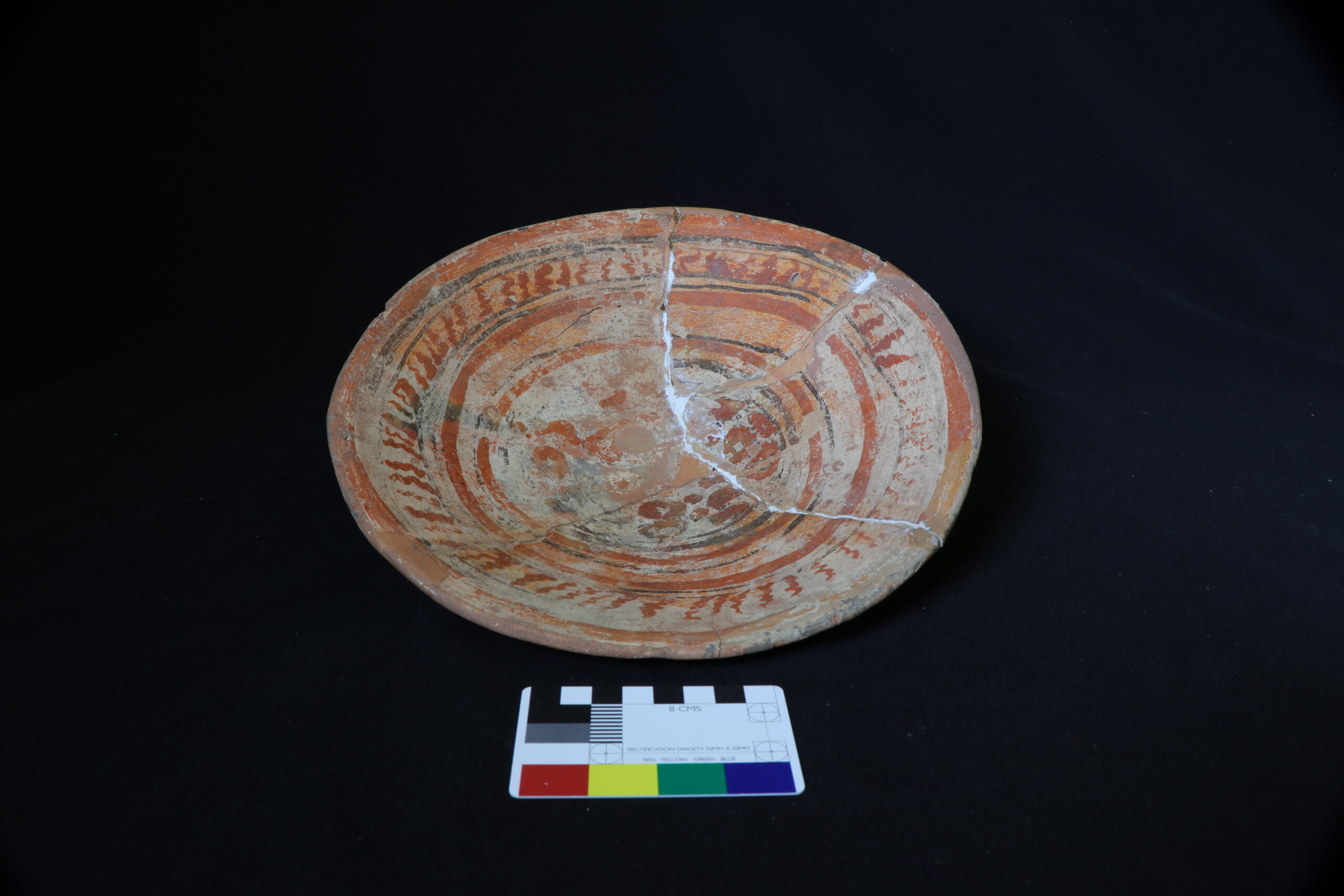
In 1989, the MAI was absorbed into the Smithsonian Institution’s National Museum of the American Indian (NMAI) and the collection moved to it’s curation facility, the Cultural Resource Center (CRC) in Suitland, Maryland. Over two trips to the CRC 2023, RiFRAP’s director began documenting the collection photographing, measuring, and making technical drawings and type-variety-mode assessments of all of the artifacts. The work is ongoing, and this page under construction, but it is intended to present this collection in its entirety to the public for the first time. We welcome you now to explore the assemblage below.
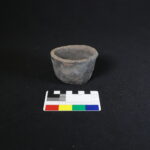
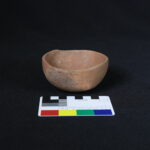
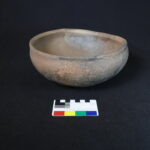
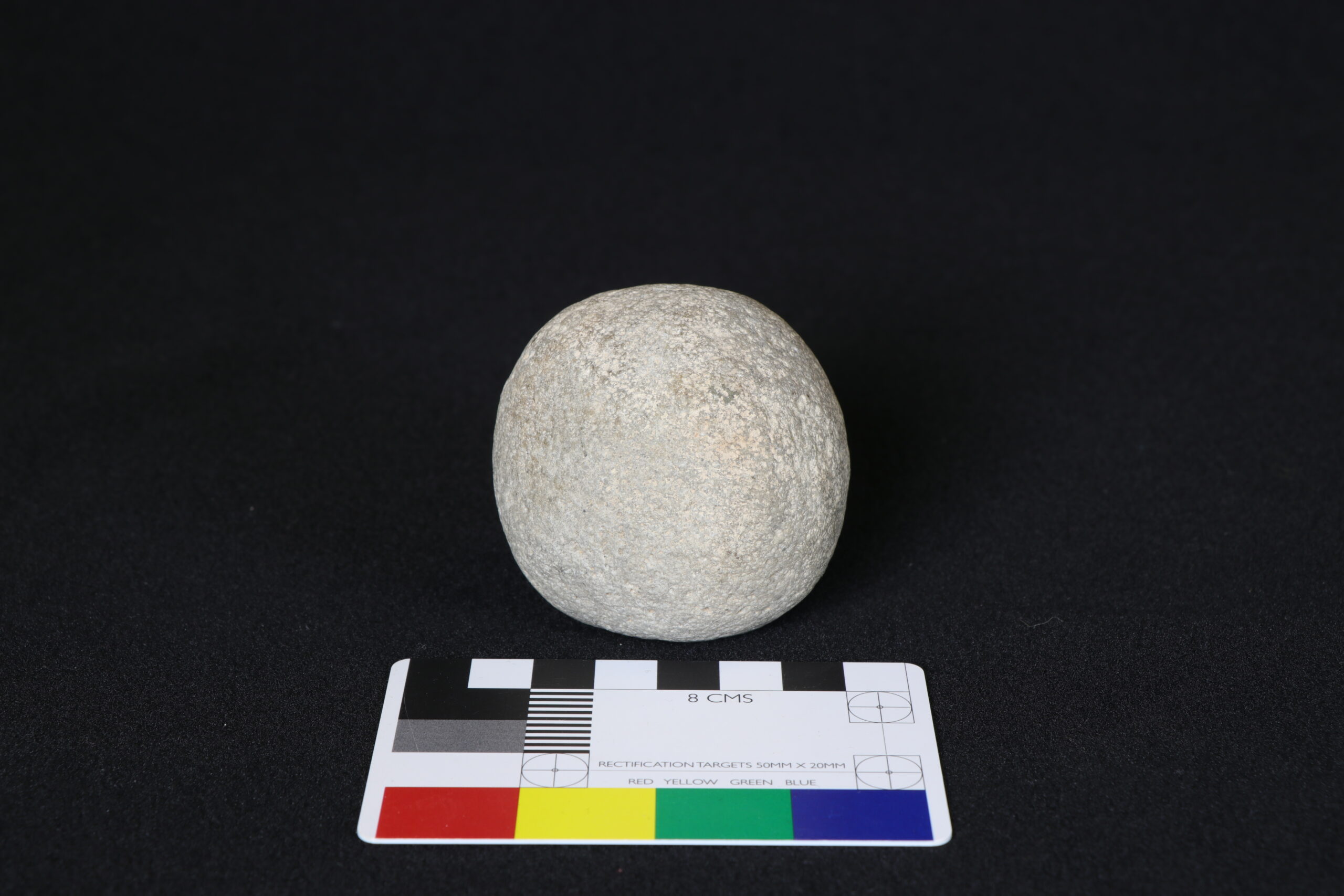
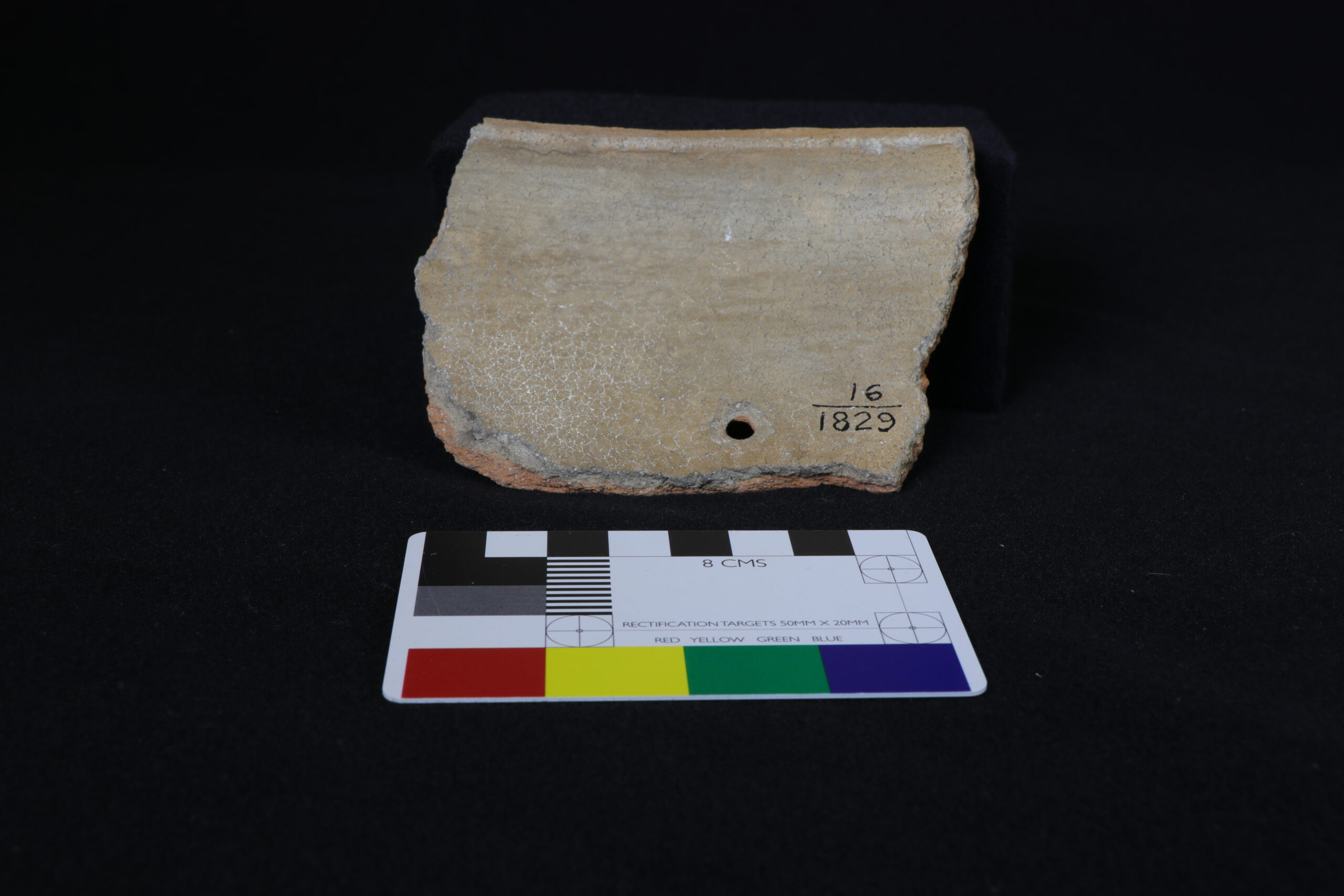
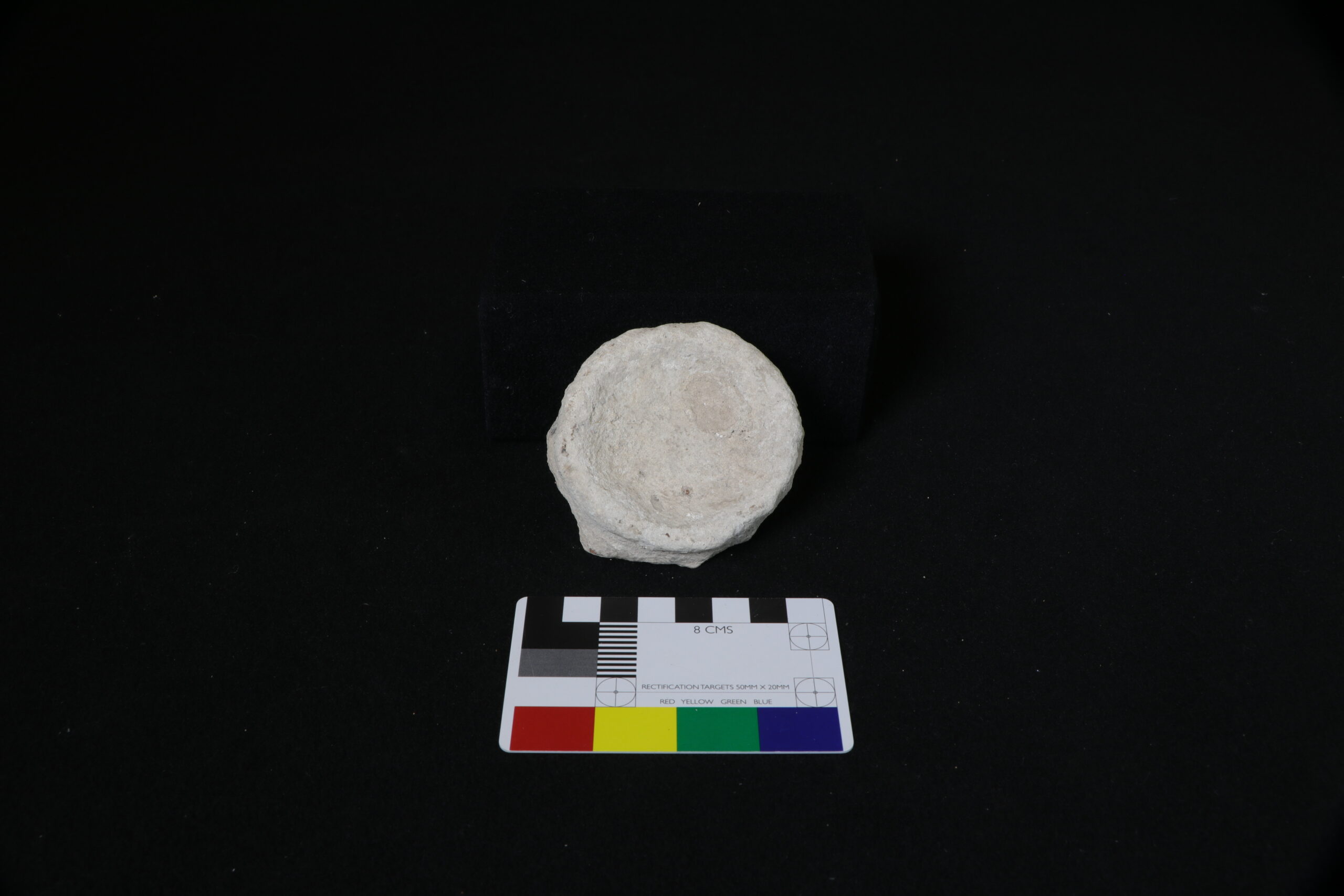
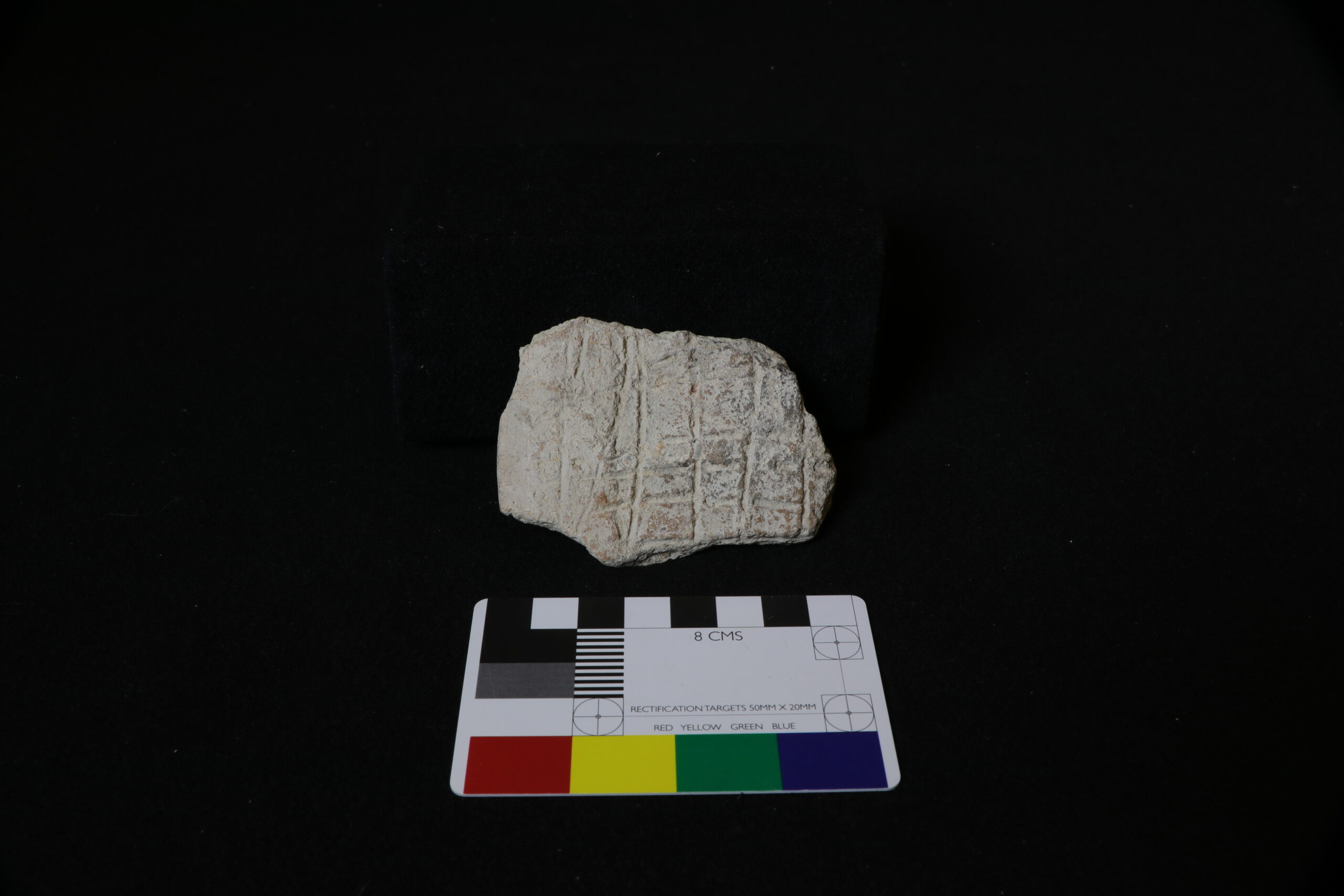
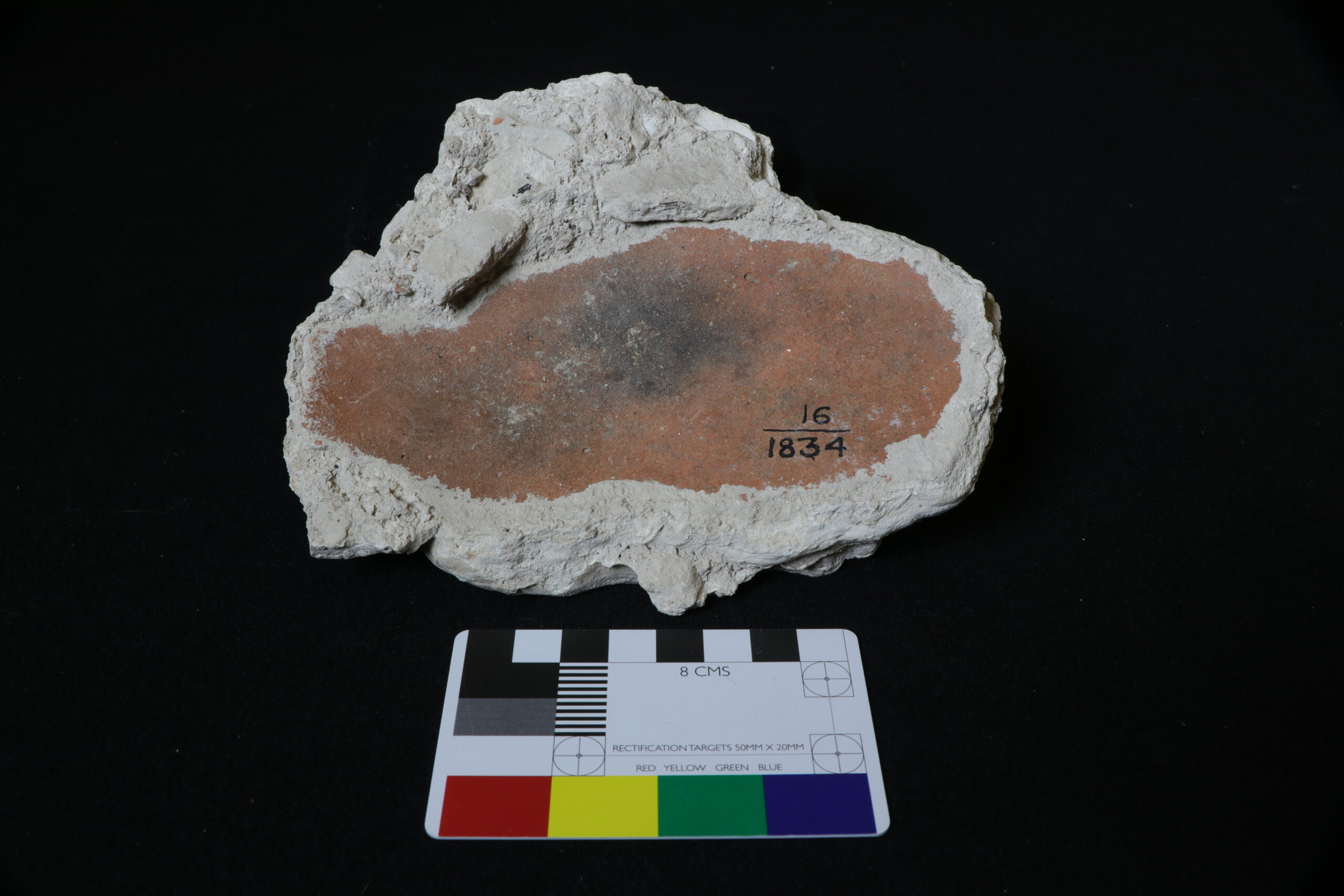
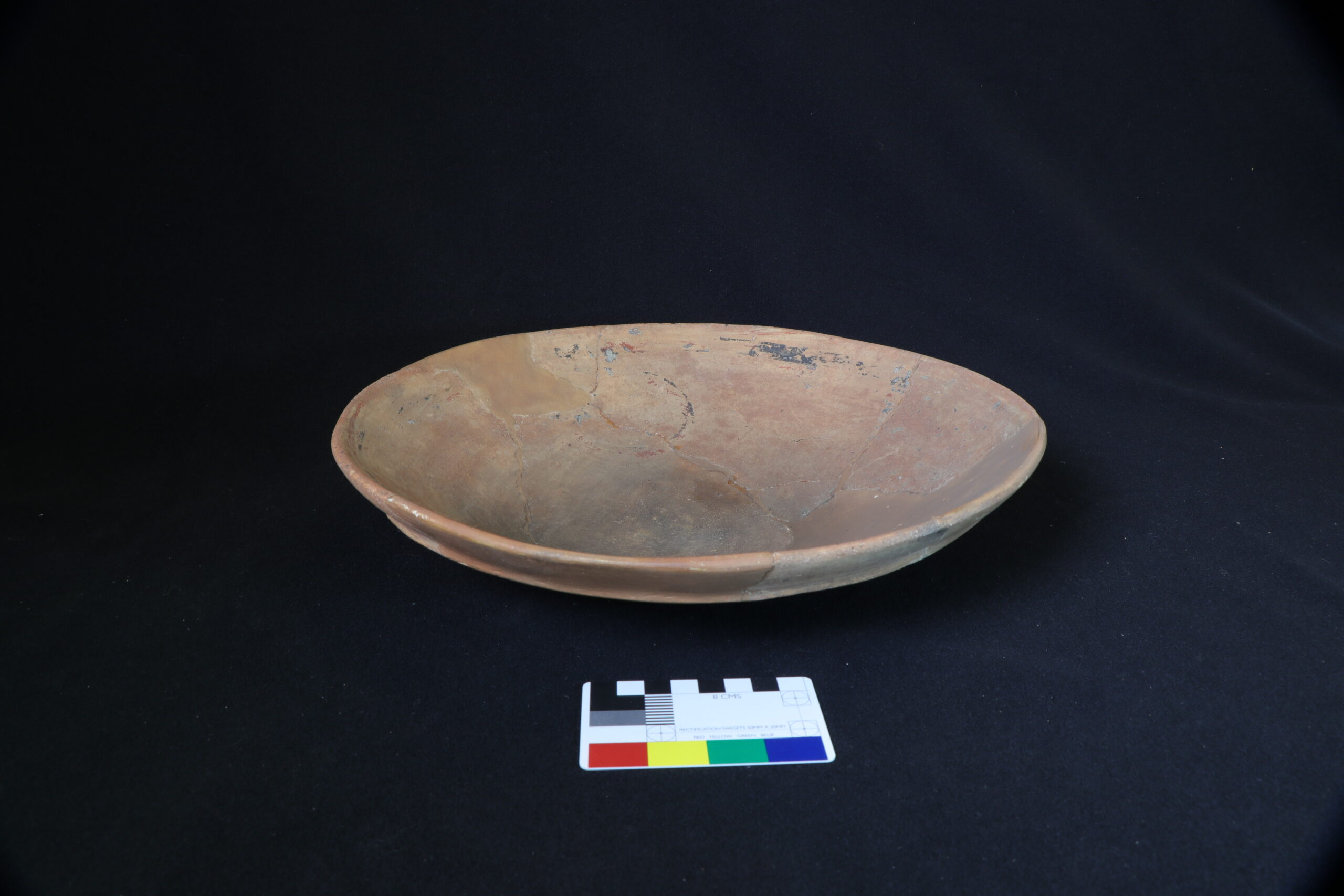
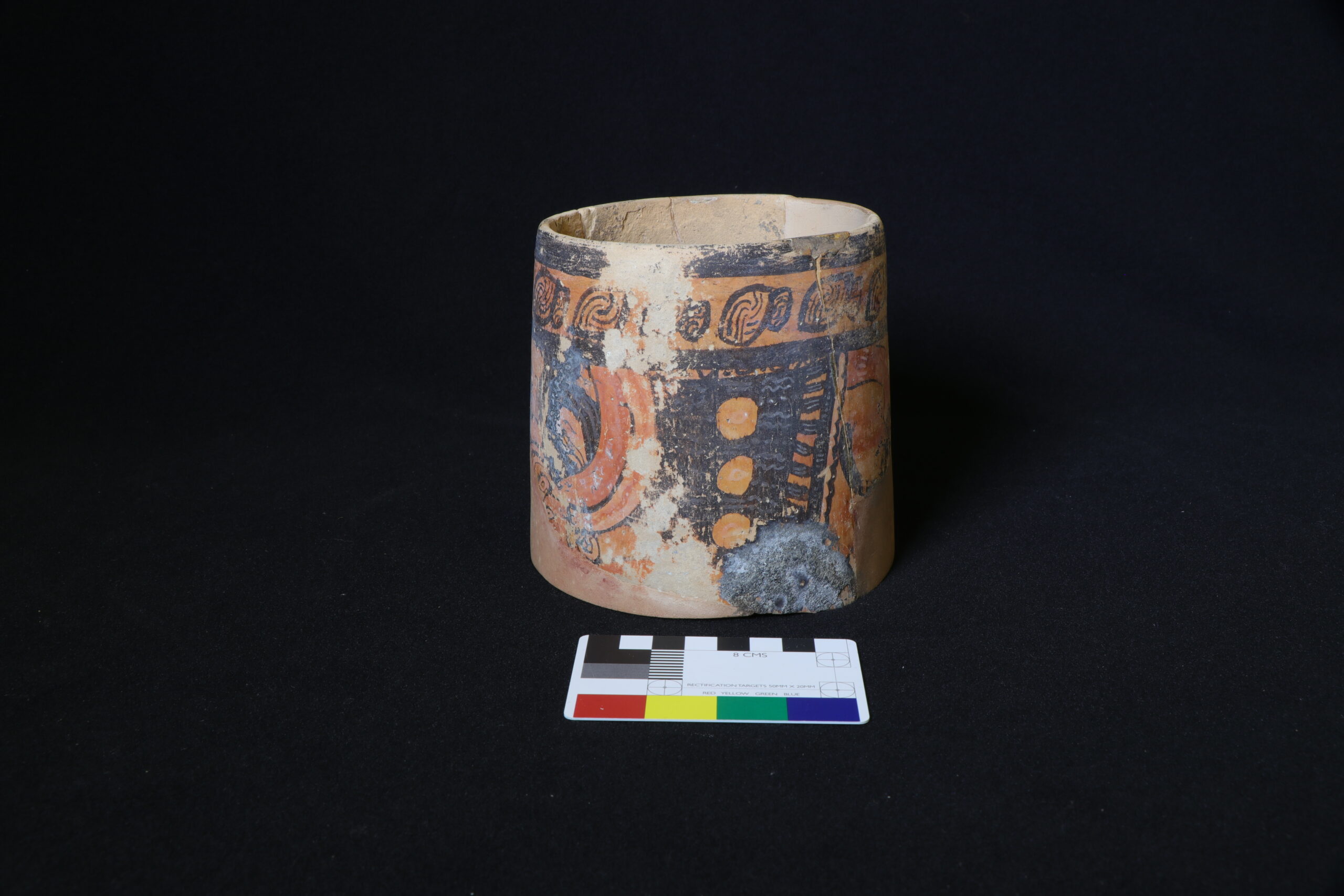
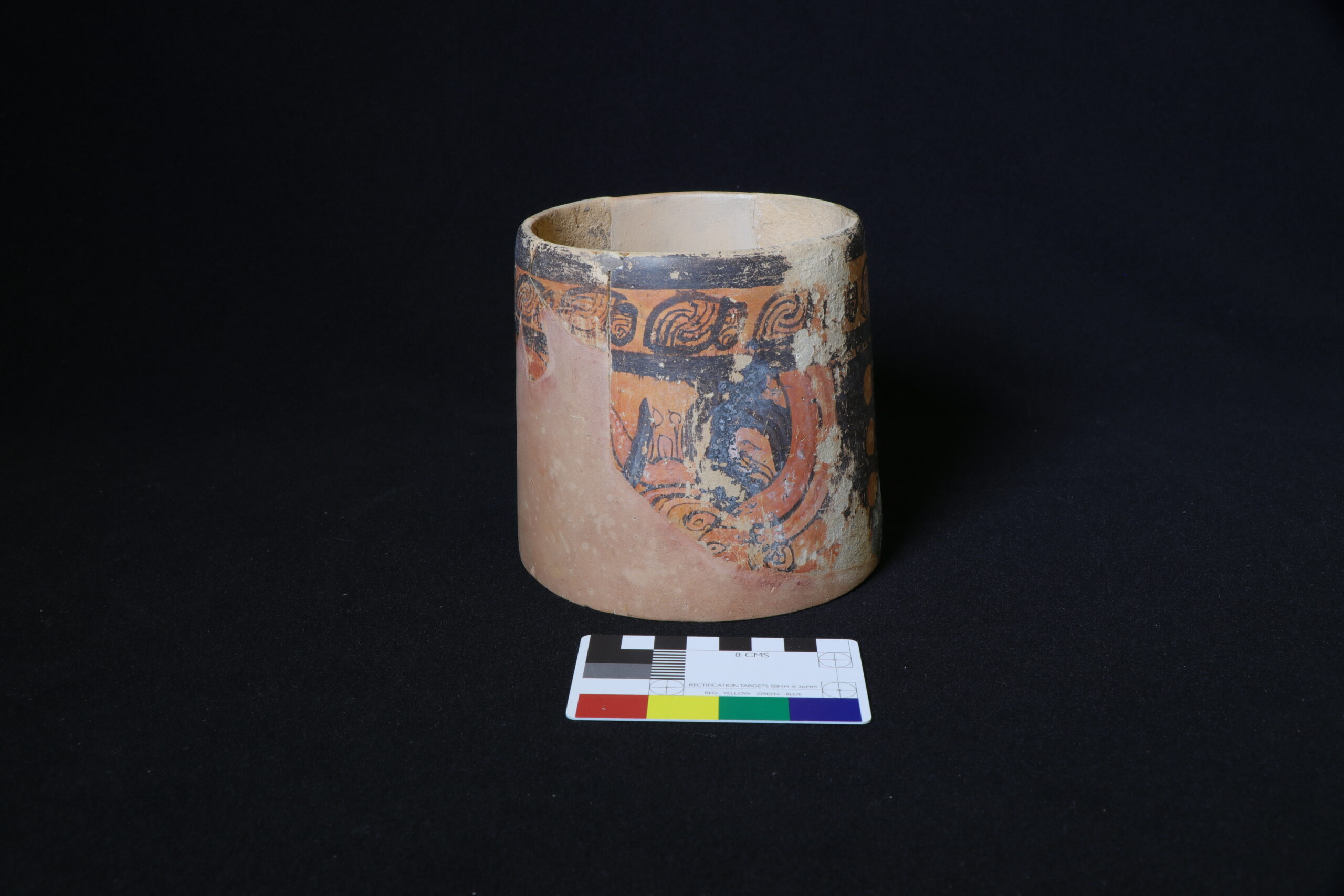
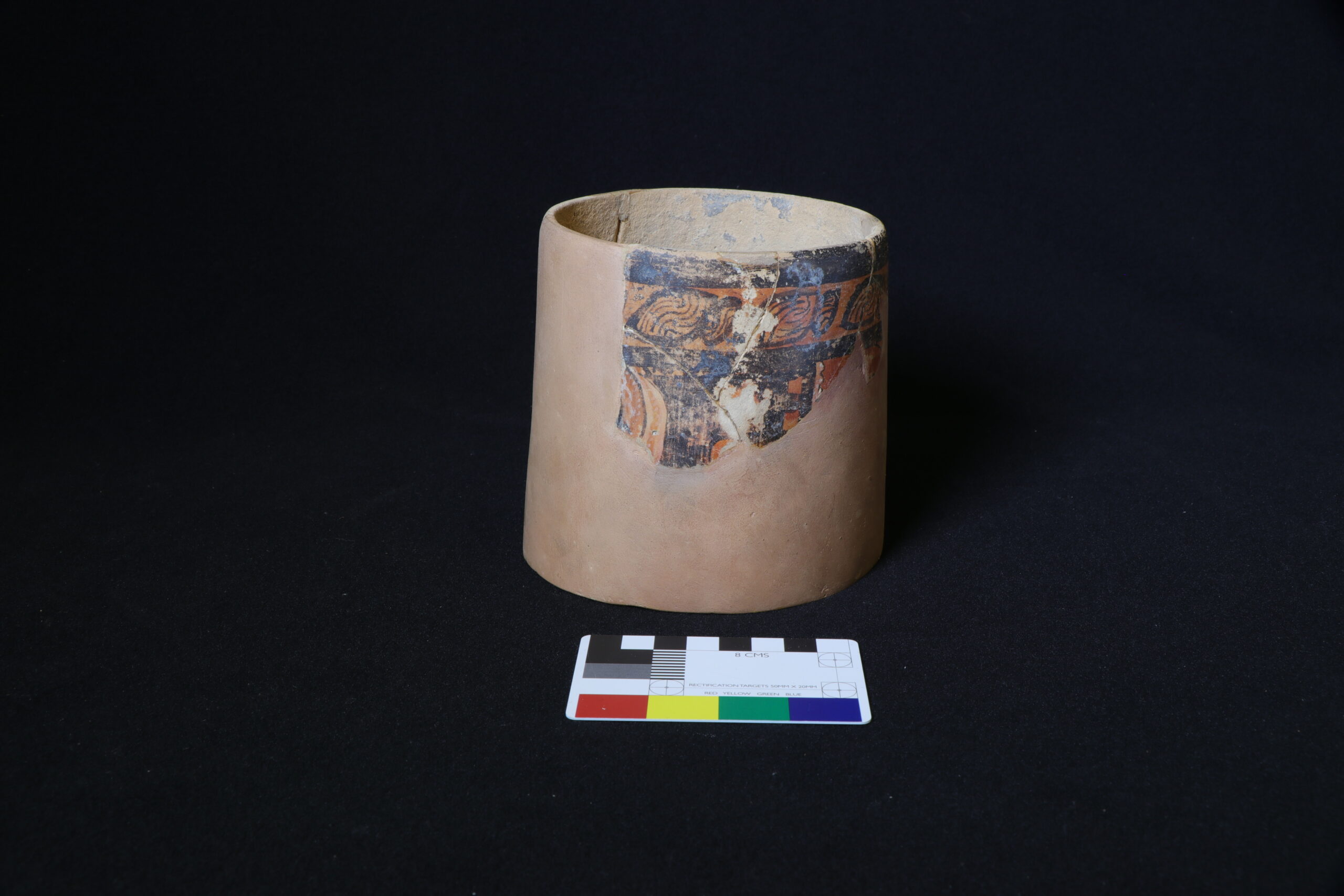
For ease of navigation, the assemblage is sorted first into non-ceramic artifacts and ceramics. Ceramics are then further divided into artifacts and modified sherds, unslipped-utilitarian, and slipped/painted categories. The latter two of the categories are further sub-divided by vessel shape. Click on “Table of Contents” button on the left to navigate to a particular section. Note that the button appears only after scrolling down a short way. Captions provide the ceramic type if identified and other descriptive elements. Clicking on a photo will enlarge it. Enlarged pictures are titled with their NMAI accession number 1618XX.YYY and an three digit artifact number assigned during our study. Artifact numbers were assigned starting with 001 for each accession number. For example, 1618434.000.005 would be the fifth artifact recorded during the study from accession number 161834.000.